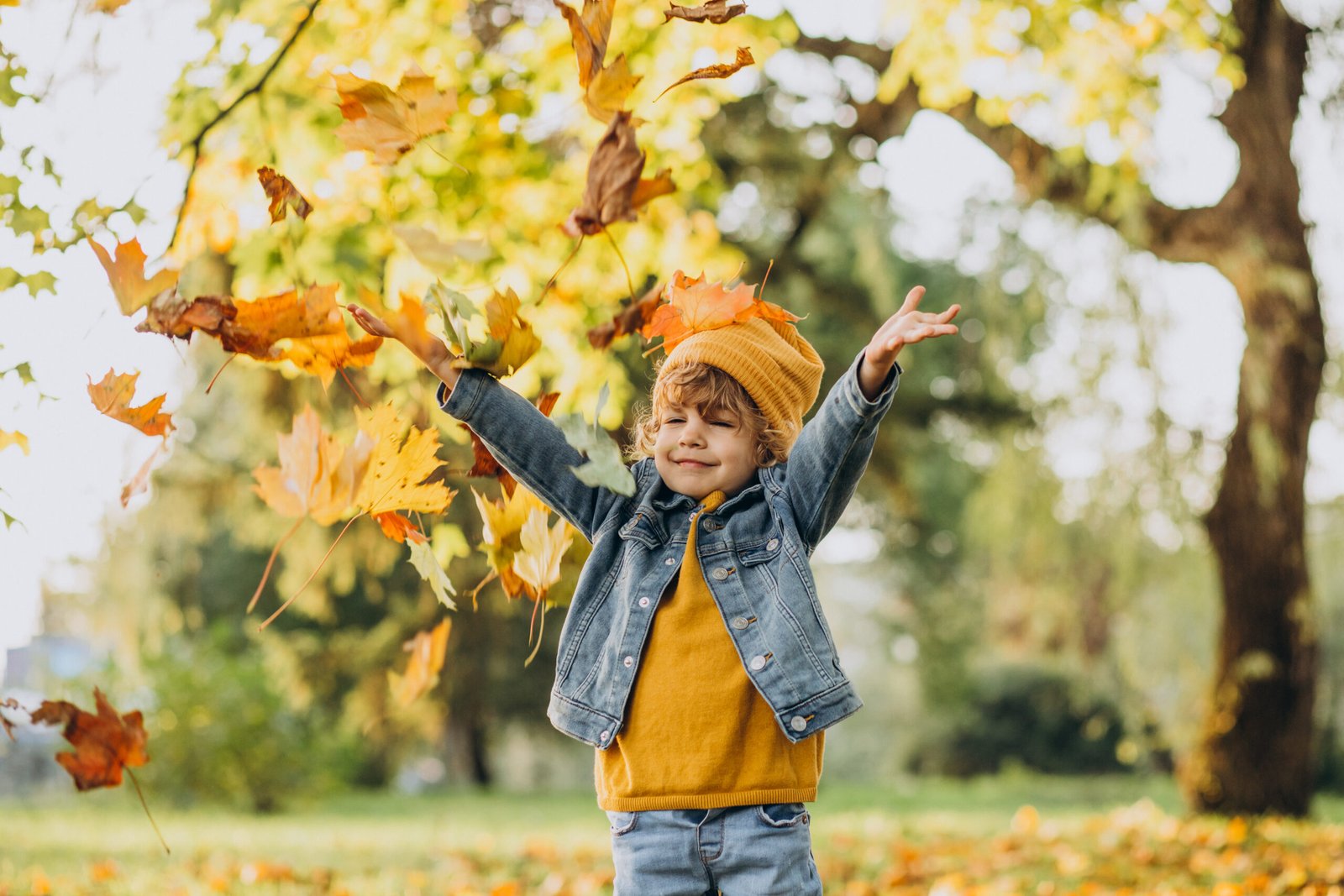
Fall is one of the seasons that gives children countless opportunities to explore, observe, and learn about the world around them. Changes in leaves, temperatures, daylight, and animal behavior can all become meaningful learning experiences, especially when they are introduced through hands-on and engaging activities.
For families looking for recreational activities that also support their children’s development, the Montessori approach encourages parents to use everyday experiences to nurture curiosity, independence, and observation skills. Instead of simply explaining what happens during fall, parents can invite their children to discover it through simple experiments.
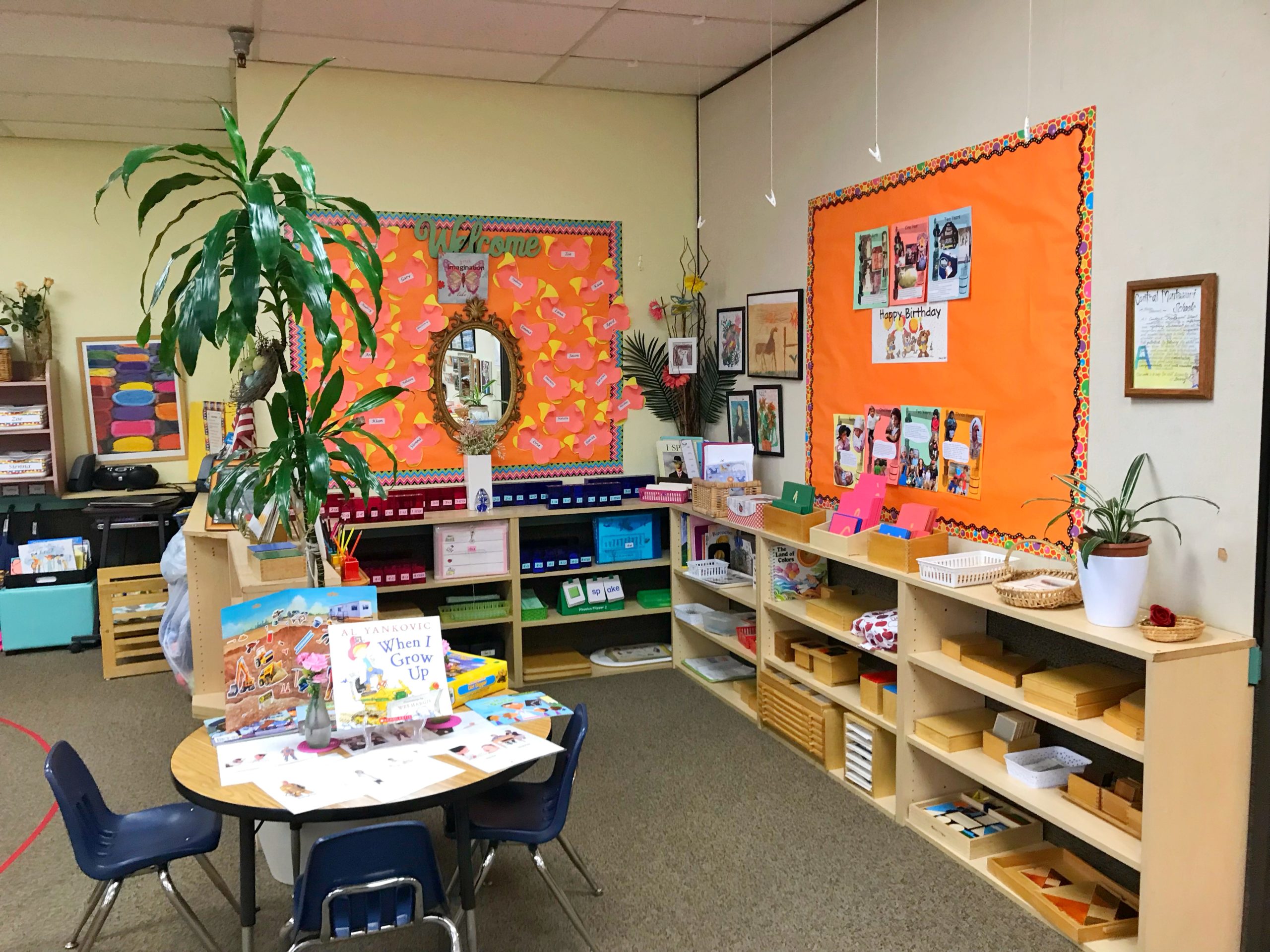
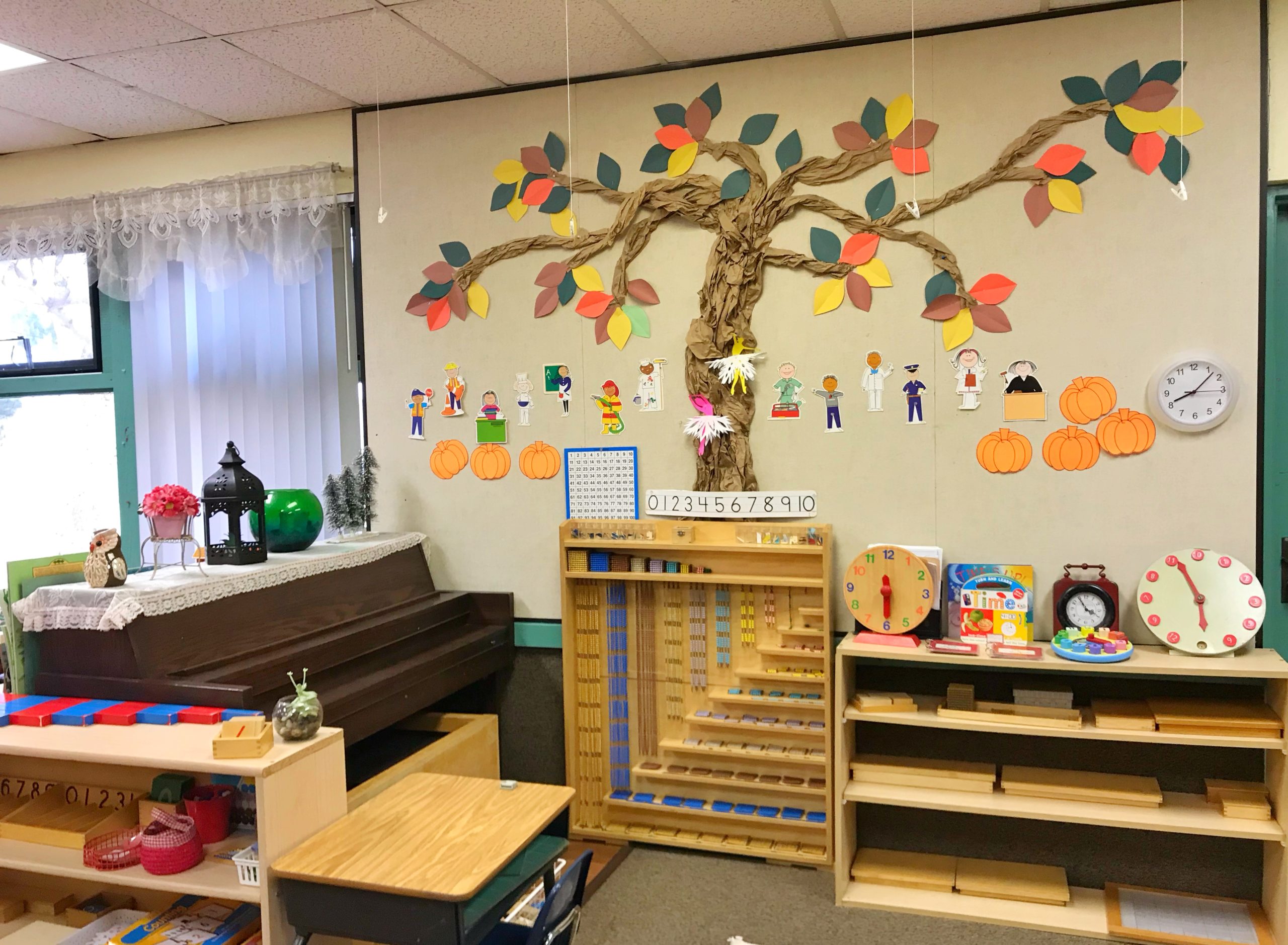
This philosophy is part of the educational approach at Central Montessori Schools (CMS), a Montessori community that provides experiences designed to support children as they grow and learn. For families in Carlsbad who are exploring educational options for their children, learning about the Montessori approach can also provide ideas for extending classroom experiences at home.
Why Teach Children About Fall Through Experiments?
Children naturally learn when they have opportunities to touch, observe, compare, and ask questions. Fall makes it easy to introduce different concepts without turning learning into a formal lesson.
A changing leaf can become an opportunity to talk about the seasons. An acorn can help children explore the characteristics of a seed. Even a walk through the neighborhood or a local park can become a fun classification activity.
In the Montessori approach, adults serve as guides. This means creating an environment where children can safely explore and providing materials that encourage discovery. Rather than immediately giving children every answer, parents can give them time to investigate and come to their own conclusions.
At Central Montessori Schools (CMS), hands-on activities can connect naturally with children’s everyday experiences. This allows concepts such as science, nature, and environmental awareness to become part of their daily learning.
1. Discover Why Leaves Change Color
One of the simplest fall activities is observing the different colors of leaves.
Parents can collect a few leaves that have naturally fallen from trees and place them on a table. Try to find leaves in different shades, such as green, yellow, orange, brown, and red, so children can compare them.
They can then sort the leaves by color, size, shape, or texture.
To turn the activity into a simple experiment, place some of the leaves between sheets of white paper and observe them over several days. Children can draw pictures to document how the leaves change.
Parents can explain that trees produce less chlorophyll as seasonal conditions change, including changes in daylight and temperature. As the green color fades, other pigments that were already present in the leaves become more visible.
The activity does not need to become a formal science lesson. The goal is to encourage children to observe, wonder, and ask questions.
2. What Does a Seed Need to Grow?
Fall is also a great time to talk about seeds and the plant life cycle.
For this experiment, you will need a clear glass or container, cotton, water, and a few seeds, such as beans. Children can place the cotton inside the container, add a small amount of water, and position the seeds near the side of the container so they can watch what happens.
Over the next several days, they can check the container and document their observations.
One fun option is to have children draw each stage of the process, from the seed to the first root, the growing stem, and the first leaves.
This activity introduces concepts such as growth, roots, moisture, and light while also encouraging patience and responsibility.
In a Montessori Day Care setting, experiences like this can also be connected to caring for plants and exploring nature. For parents in Carlsbad who are interested in an educational approach that encourages independence from an early age, these activities can also be great inspiration for learning at home.
3. Experiment With Different Types of Leaves
Another simple activity is to explore what happens when leaves are exposed to different levels of moisture.
Children can place several leaves in different containers. One leaf can remain exposed to the air, another can be placed inside a paper bag, and another can be placed inside a plastic bag. They can then observe the leaves over several days.
Parents can ask questions such as: Which leaf changed first? Which one feels drier? Which one seems to hold more moisture?
These questions encourage children to develop observation and comparison skills.
Instead of telling children what they are supposed to discover, parents can invite them to make a prediction. Later, they can check whether their prediction was correct.
This type of guidance reflects an important principle of Montessori education: allowing children to actively participate in their own learning and discovery.
4. Do Fall Objects Float or Sink?
A simple and fun activity is to create a small science station using natural objects.
Fill a container with water and gather different items, such as leaves, small twigs, acorns, stones, and seeds. Before placing each object in the water, ask your child to predict whether it will float or sink.
Then let them test their prediction.
This experience introduces basic concepts related to weight, density, and buoyancy. It also provides opportunities to practice vocabulary, classification, and logical thinking.
Parents can make a simple chart with two categories: floats and sinks. Children can place each object into the appropriate category after testing it.
There is no need for expensive materials. One of the benefits of Montessori-inspired activities is that many learning experiences can be created using simple objects found around the home or outdoors.
5. A Montessori-Inspired Fall Nature Walk
Not every experiment needs to happen indoors. A walk through a park, garden, or neighborhood can become a hands-on learning experience.
During the walk, parents can invite children to look for leaves in different colors, seeds, twigs, acorns, and other natural objects.
Once they get home, the items can be sorted and placed on small trays.
For young children, this can also become a sensory activity. They can touch the leaves and describe whether they feel smooth, rough, dry, soft, or damp.
At a Montessori school such as Central Montessori Schools (CMS), opportunities to connect with the natural environment can complement classroom learning and help children develop a sense of respect for the world around them.
For families in Carlsbad, spending time outdoors can be a wonderful way to continue these types of experiences beyond the classroom.
Fall Can Also Teach Children About Caring for Nature
In addition to introducing scientific concepts, these activities provide opportunities to talk with children about caring for the environment.
Parents can explain that fallen leaves are part of the natural life cycle of trees and that many small animals use natural materials on the ground for shelter or food.
Children can also learn not to unnecessarily pick plants, to respect animals, and to collect only natural objects that have already fallen to the ground.
These lessons can begin at an early age and gradually become a natural part of everyday life.
Montessori Learning Through Hands-On Experiences
Fall activities are a great reminder that learning does not only happen through books or traditional classroom lessons. Children can learn while walking outside, observing a leaf, watering a plant, or experimenting with water.
The Montessori approach embraces this natural curiosity by giving children opportunities to develop skills through hands-on experiences.
For families considering a Preschool or Day Care in Carlsbad, learning more about the philosophy and educational environment at Central Montessori Schools (CMS) can help parents understand an approach that values exploration, independence, and hands-on learning.
For families who already have young children at home, there is no need to wait for a school activity to begin exploring. Fall naturally provides children with changing colors, interesting textures, natural materials, and plenty of questions to investigate.
Most importantly, parents can give children the freedom to observe, experiment, and be curious. When a child discovers something independently, learning becomes more than an explanation. It becomes an experience they can remember and build on as they grow.