For families in Carlsbad looking for an educational approach that helps children develop independence, concentration, and curiosity from an early age, the Montessori method offers tools that can also be used at home to reduce excessive cell phone use. Families have the opportunity to combine these principles with a Montessori education by considering options such as Central Montessori Schools (CMS), where children can learn through hands-on experiences in a prepared environment designed to support their development.
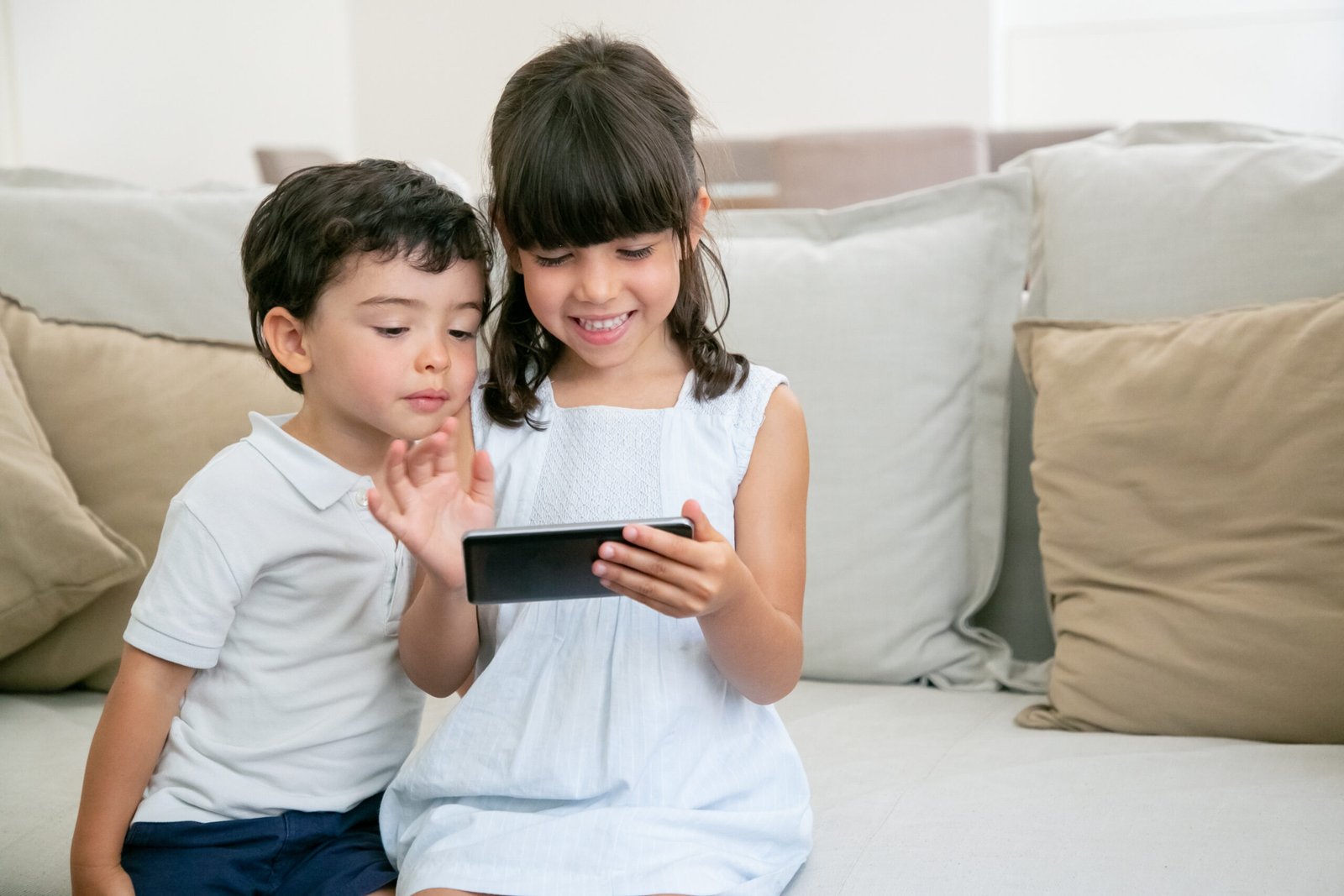
Today, one of the main challenges for parents is finding a healthy balance between technology and the activities that are important to childhood development. Cell phones can easily become a way to keep children entertained while adults take care of other tasks. However, when a phone becomes the go-to solution for boredom, mealtimes, travel, or waiting, it can take the place of other valuable experiences.
One approach that can help families is to create a more mindful relationship with screens at home, especially during the early years.
Parents Are the First Example
Before setting limits for children, it is worth taking a look at how much adults themselves use their phones. Young children learn many of their habits by watching the people around them, so asking children to put their phones away while parents remain constantly focused on their own devices can send a mixed message.
Families can start by creating phone-free times. For example, phones can stay off the table during breakfast, lunch, and dinner. Families can also establish a screen-free routine before bedtime.
These measures do not have to feel like punishment. The goal is for children to understand that there are times to use technology and other times to talk, play, rest, read, or take part in family activities.
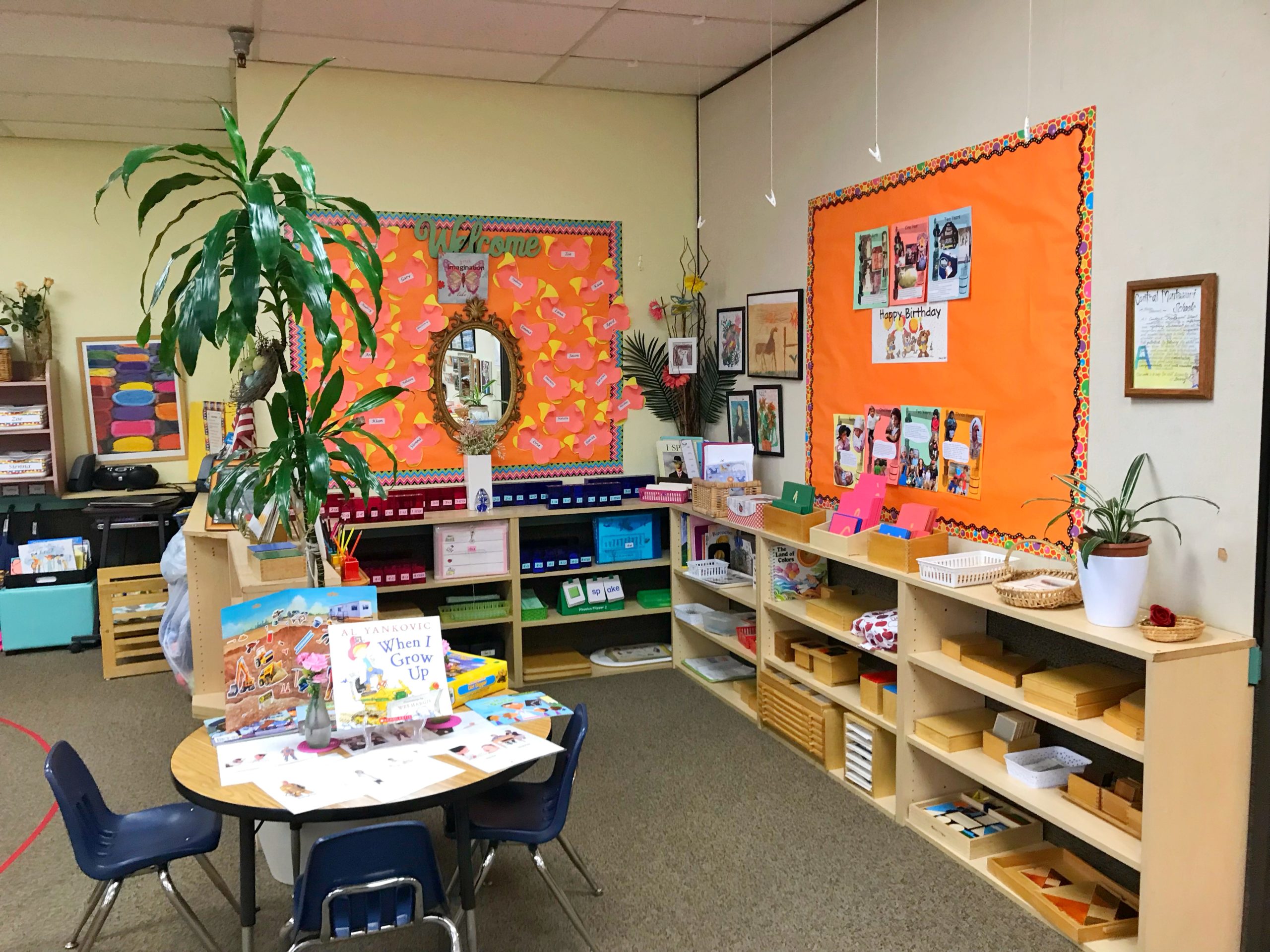
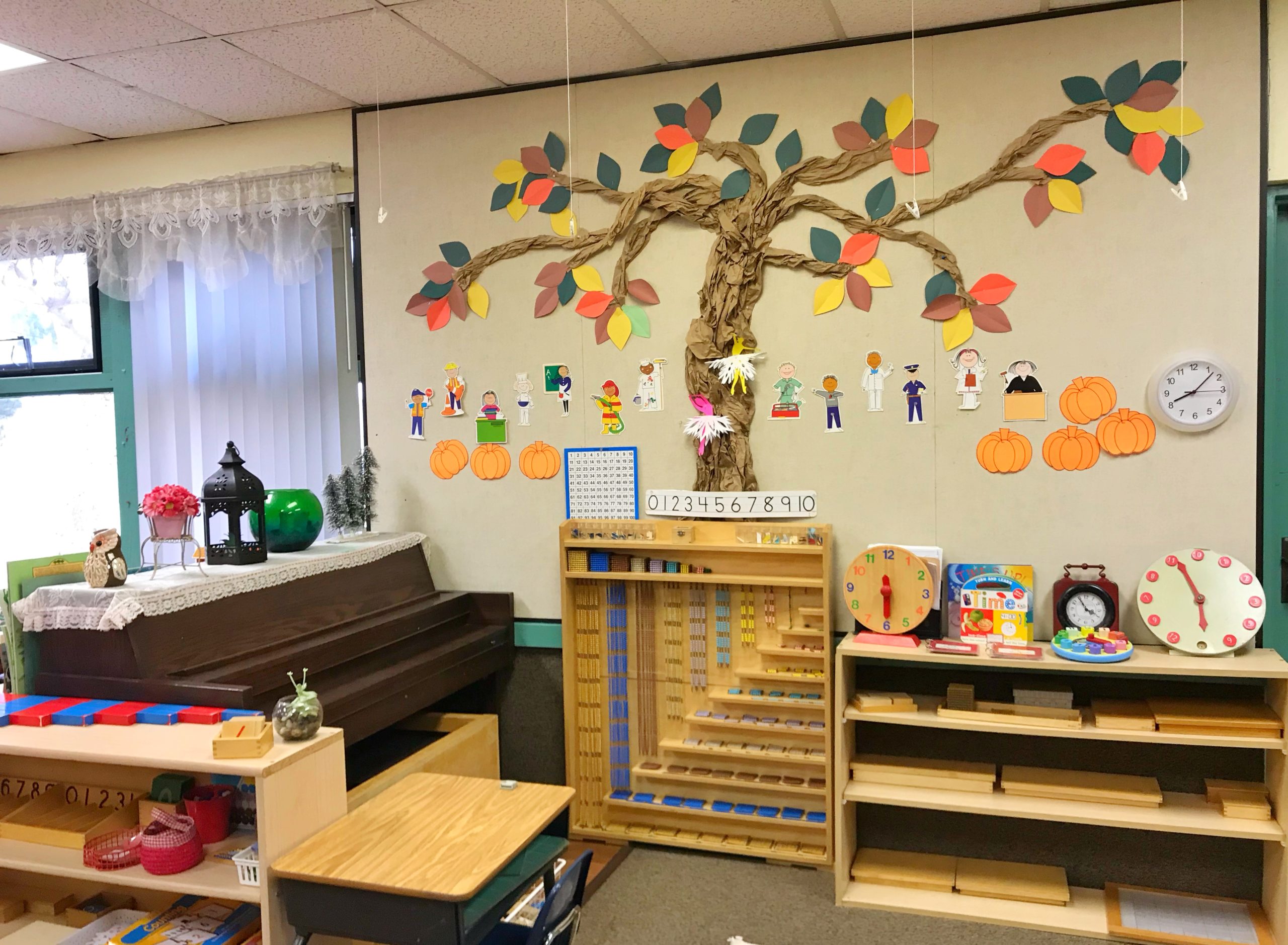
This idea aligns with one of the fundamental principles of the Montessori approach: respecting the child and preparing the environment to support development and independence. CMS explains that its classrooms are designed as prepared environments, with hands-on activities and materials that allow children to explore and learn independently.
Instead of Taking Away the Phone, Offer Alternatives
Reducing screen time does not simply mean taking away the phone and expecting a child to entertain themselves. Children need appealing alternatives.
At home, families can make books, puzzles, blocks, art supplies, sorting games, musical instruments, play dough, and practical life activities easily accessible. The selection can vary depending on each child’s age and interests.
The Montessori approach encourages children to have access to materials that are appropriate for their stage of development and to repeat activities until they develop new skills. CMS incorporates areas such as Practical Life, Sensorial, Math, Language, and Culture into its prepared environment.
The same philosophy can be brought into the home. If a child enjoys cooking, for example, they can help wash fruit or prepare a simple snack. If they are interested in animals, they can observe them during a walk, read a book about them, or use animal figures to create play scenarios.
In this way, time that was once spent on a cell phone can become an opportunity for learning.
Create Screen-Free Spaces and Times
A practical recommendation is to decide in advance where devices can be used at home and which areas will remain screen-free.
Children’s bedrooms can be kept as spaces for sleeping, reading, and playing. Families can also establish a rule that phones and tablets are not used during meals.
Guiainfantil recommends creating a family screen plan that considers not only how much time children spend on devices, but also where, when, how, and why they use them.
For families in Carlsbad, these kinds of rules can easily become part of the daily routine. For example, after coming home from school, a child might have time to rest, eat, and participate in a hands-on activity before having access to a screen.
Consistency is more important than creating overly complicated rules.
Boredom Can Also Be an Opportunity
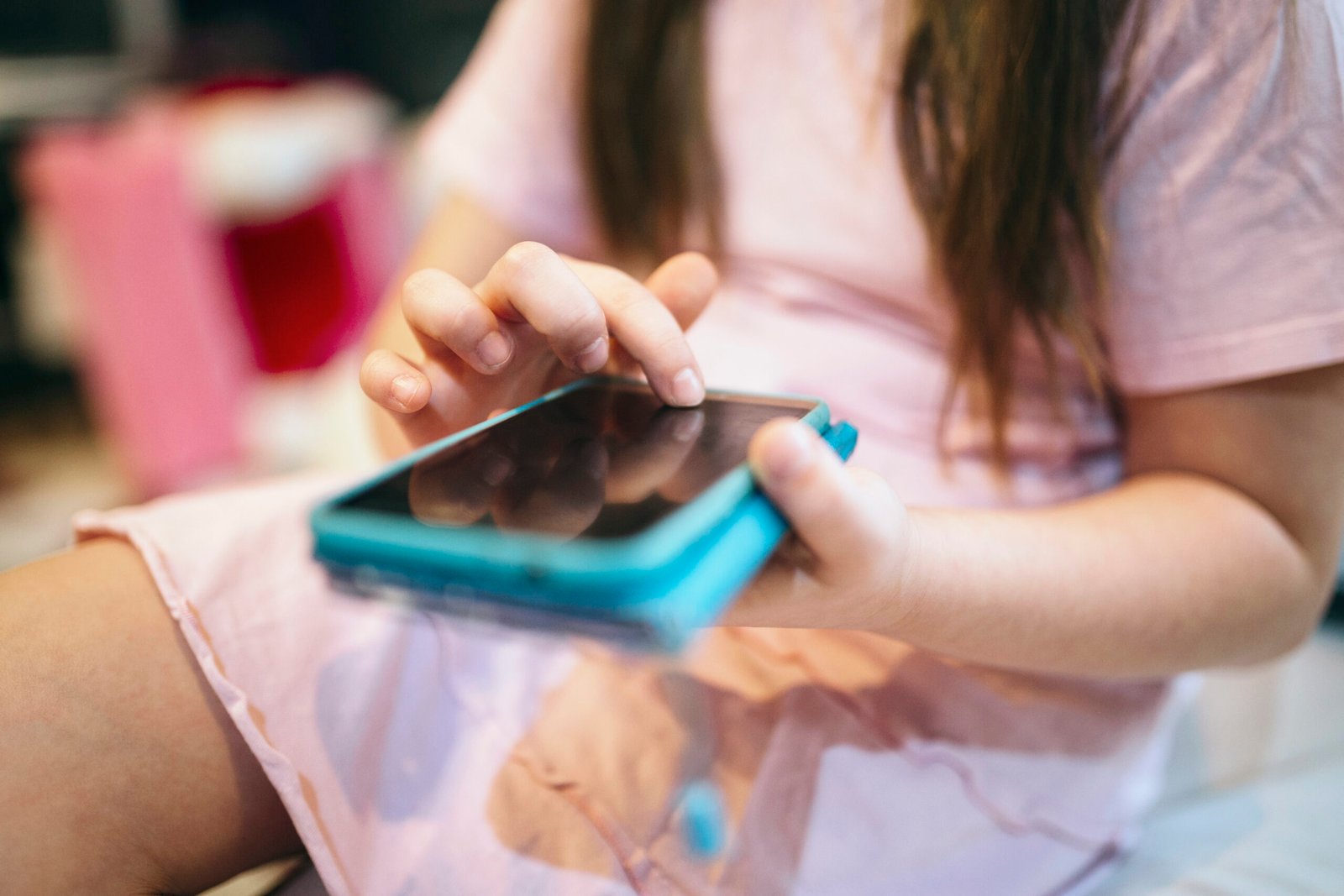
One of the most challenging moments for parents is when a child says they are bored. The immediate reaction may be to hand them a phone to keep them occupied, but allowing children to experience some boredom can create space for imagination.
Instead of immediately solving the problem, parents can ask what the child could do with the materials available to them. A cardboard box can become a house, a blanket can become a tent, and a few sheets of paper can become an opportunity to draw.
The goal is not to organize activities for children every minute of the day. It is also important to give them the opportunity to discover how to use their own time.
Spending time in nature can be another alternative. CMS incorporates experiences connected to nature into its Montessori approach and uses natural elements to help children connect with the world around them.
For a family in Carlsbad, this can translate into simple outdoor activities such as walking, observing plants, looking for different types of leaves, visiting a park, or simply playing outside.
Technology Can Have a Place, But It Should Not Take Over
The goal does not have to be eliminating technology completely. Devices can be used to video chat with family members, look up information about a topic that interests a child, or watch a movie together as a family.
What matters is intentional use.
Guiainfantil points out that when establishing healthy technology habits, parents should consider not only screen time, but also the content, context, and whether the child is using the device with someone else or alone.
Parents can decide ahead of time what content their children will watch and avoid allowing them to move from one video to another without a clear purpose. Families can also establish a signal to let children know when it is time to turn off the device, which can help reduce arguments.
Independence as an Alternative to the Cell Phone
One of the most important contributions of the Montessori method is its emphasis on independence. When children have opportunities to complete activities on their own, they can develop confidence and concentration.
In a Day Care or Preschool inspired by this philosophy, the environment can become an extension of this learning. Instead of constantly relying on an adult to tell them what to do, children can become familiar with materials and activities that encourage them to explore.
CMS currently welcomes children from 18 months through Kindergarten and is accepting enrollment for the 2026-2027 school year. Its regular hours are Monday through Friday from 9:00 a.m. to 3:00 p.m., with Early Drop Off and After Care options from 7:00 a.m. to 6:00 p.m.
For parents looking for a Preschool or Day Care while also wanting to introduce their children to a Montessori education, exploring the environment at CMS can be one option to consider.
Small Changes Can Make a Big Difference
Reducing cell phone use does not have to begin with an absolute ban. It can start with one device-free meal, an afternoon of play, a story before bedtime, or a few minutes spent helping with a household task.
The key is to create a routine that gives children plenty of opportunities to interact with other people, move, explore, create, and learn.
For families in Carlsbad interested in the Montessori method, bringing these principles into the home and choosing an educational environment that supports them can become part of a more comprehensive approach. CMS emphasizes respect for the child, the prepared environment, Montessori materials, and the development of independence.
In this way, reducing cell phone use becomes more than simply limiting the number of minutes a child spends in front of a screen. It becomes an opportunity to create more time for family connection and allow children to discover that learning and fun can also happen away from a device.