Halloween can be about much more than costumes, candy, and decorations. Through the Montessori approach, this time of year offers an opportunity to spark children’s curiosity, encourage independence, and help them discover the world through hands-on, sensory, and meaningful experiences. The key is to adapt activities to each child’s age, interests, and emotional needs without forcing traditions or creating unnecessary fear.
In a Montessori environment, whether at home, in a Day Care, or in a Preschool, Halloween can be part of the learning experience while staying true to the principles that guide Montessori education: respecting each child’s individual pace, offering freedom of choice within clear boundaries, and preparing spaces that encourage independent exploration.
For families living in Solana Beach who are looking for educational options for their children, learning more about programs such as those offered by Central Montessori Schools (CMS) can be an opportunity to explore the benefits of the Montessori approach during early childhood.
What Does Celebrating Halloween Look Like in a Montessori Environment?
Montessori education is based on the idea that children learn actively through their interactions with the world around them. Rather than simply receiving information, they need opportunities to observe, handle objects, ask questions, and discover connections on their own.
That’s why incorporating Halloween into a Montessori environment doesn’t mean turning the classroom into a space filled with decorations or planning activities just to keep children entertained. Instead, it’s about using their natural interest in the season to create meaningful learning opportunities.
Pumpkins, dried leaves, seasonal fruits, and changes in nature can become starting points for learning about colors, shapes, sizes, textures, and life cycles. Teachers can also introduce different cultural traditions and explain, in simple terms, why some families celebrate Halloween while others choose not to participate.
During the early years, especially in Preschool, it’s important to introduce the holiday in a calm, age-appropriate way. Children don’t all respond to images, costumes, or stories in the same way. Paying attention to their reactions and allowing them to explore at their own pace helps create a more positive experience.
1. Create a Montessori Environment With Halloween-Inspired Materials
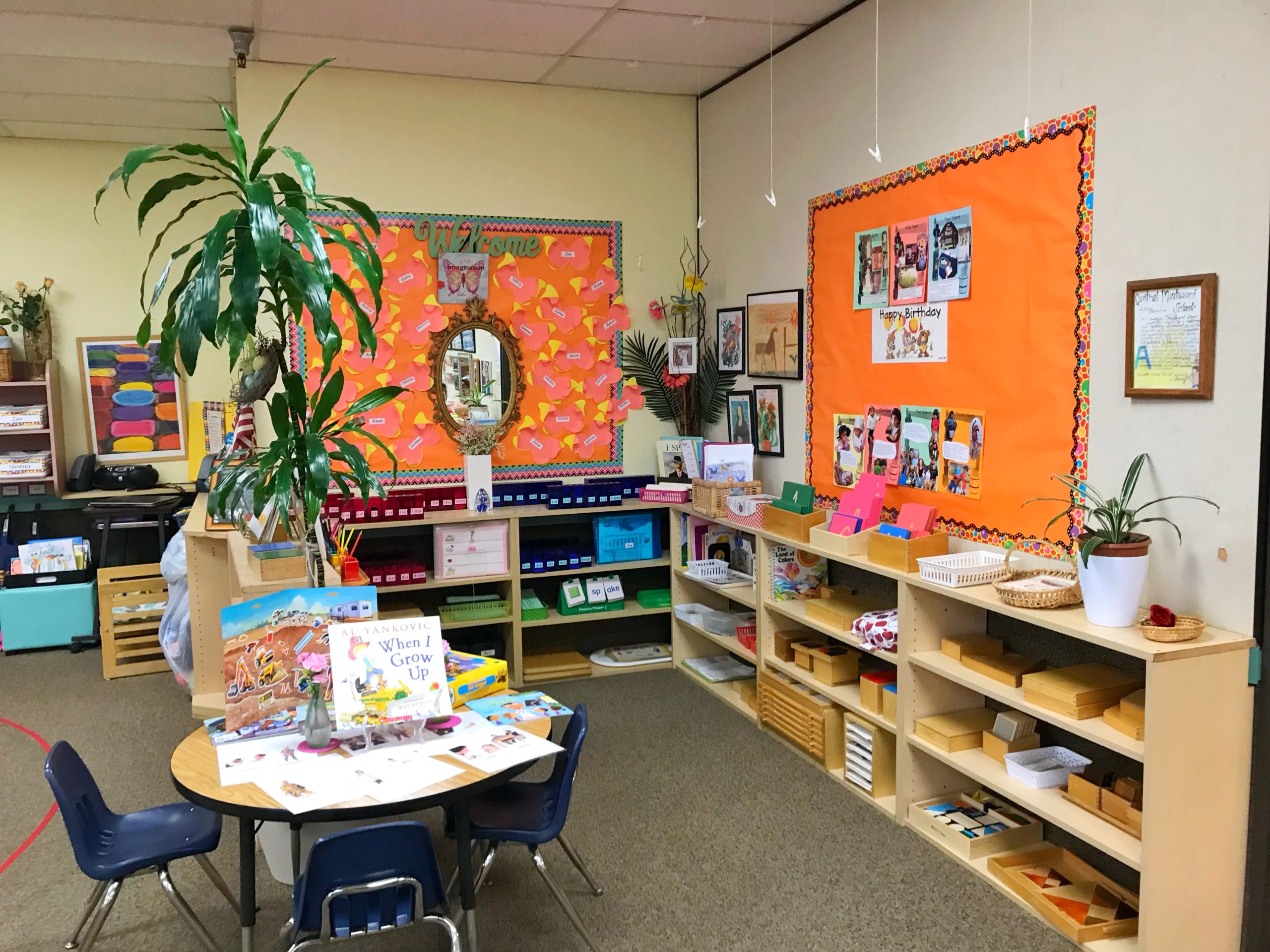
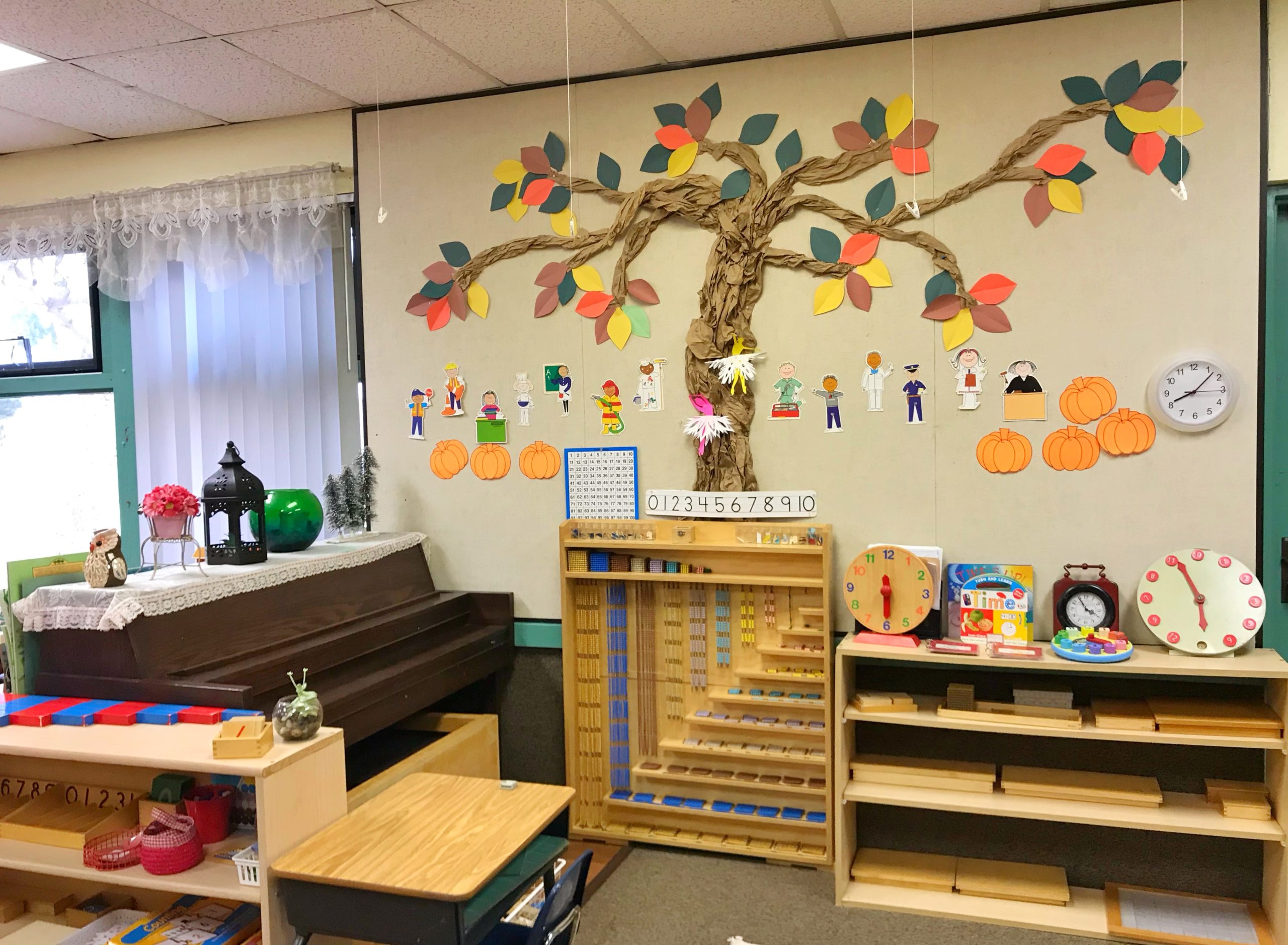
The prepared environment is one of the foundations of Montessori education. Materials should have a purpose and be arranged so children can access them, make choices, use them, and put them away with increasing independence.
Incorporating Halloween doesn’t require filling the classroom with decorations. A small seasonal display can be enough to spark children’s interest.
It might include small pumpkins, dried leaves, pinecones, pictures of natural elements, and containers holding age-appropriate objects. Materials should be organized, safe, and available for supervised exploration when needed.
It’s also a good idea to avoid overwhelming children with too many visual elements or decorations that might feel intimidating. Seasonal displays don’t have to be scary to celebrate Halloween. Natural materials, fall colors, and simple shapes can create an inviting environment without making children uncomfortable.
In a Day Care setting, this kind of organization can help younger children explore through their senses, while older children can participate in sorting, observation, and language activities.
2. Use Sensory Activities to Encourage Learning
Halloween offers plenty of opportunities to explore the senses, which play an important role in early childhood learning.
One simple activity is to introduce pumpkins of different sizes and colors. Children can observe their differences, compare their dimensions, and describe their surfaces. With adult guidance, they can also explore the differences between a smooth pumpkin, a dried leaf, and a pinecone.
Another idea is to create sorting trays with large, safe objects that children can organize by color, shape, or texture. For children who are beginning to develop early math skills, these hands-on experiences introduce basic concepts without relying only on worksheets or written exercises.
Sensory activities should always be adapted to each child’s age and abilities. For younger children, avoid seeds, tiny pieces, and other objects that could pose a choking hazard.
In Preschool, these activities can also introduce new vocabulary. Words like rough, smooth, round, light, and heavy help children develop language skills as they describe what they notice.
3. Incorporate Halloween Into Practical Life Activities
Practical life is another Montessori area that can be incorporated into seasonal activities. Everyday tasks help children develop coordination, concentration, a sense of order, and independence.
For example, children can help clean a pumpkin, place leaves in a basket, set up a seasonal display, or put materials away after an activity. With age-appropriate tools and supervision, they can also take part in preparing simple foods.
A seasonal cooking activity might involve washing mandarins, arranging fruit pieces prepared by an adult, or mixing ingredients for a fall-inspired recipe. These tasks strengthen fine motor coordination while helping children understand that everyone can contribute to a shared environment.
The goal isn’t to achieve a perfect result. It’s to give children time to practice and learn through the process. If a leaf misses the basket or an activity takes longer than expected, the adult can offer support without rushing to correct every detail.
In Montessori environments, active participation is especially valuable because it helps children build confidence and develop a positive sense of their own abilities.
4. Talk About Halloween Without Creating Fear
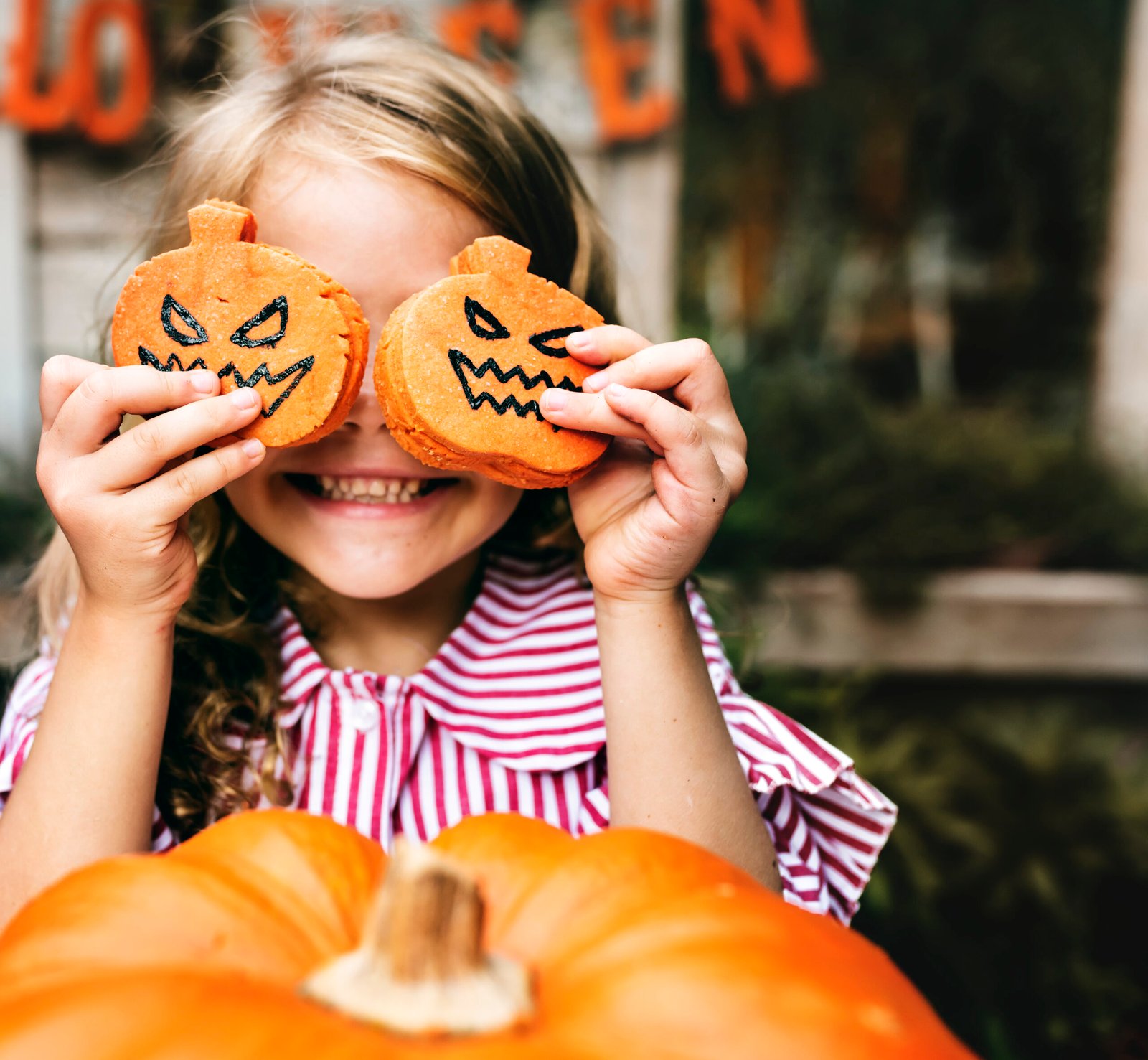
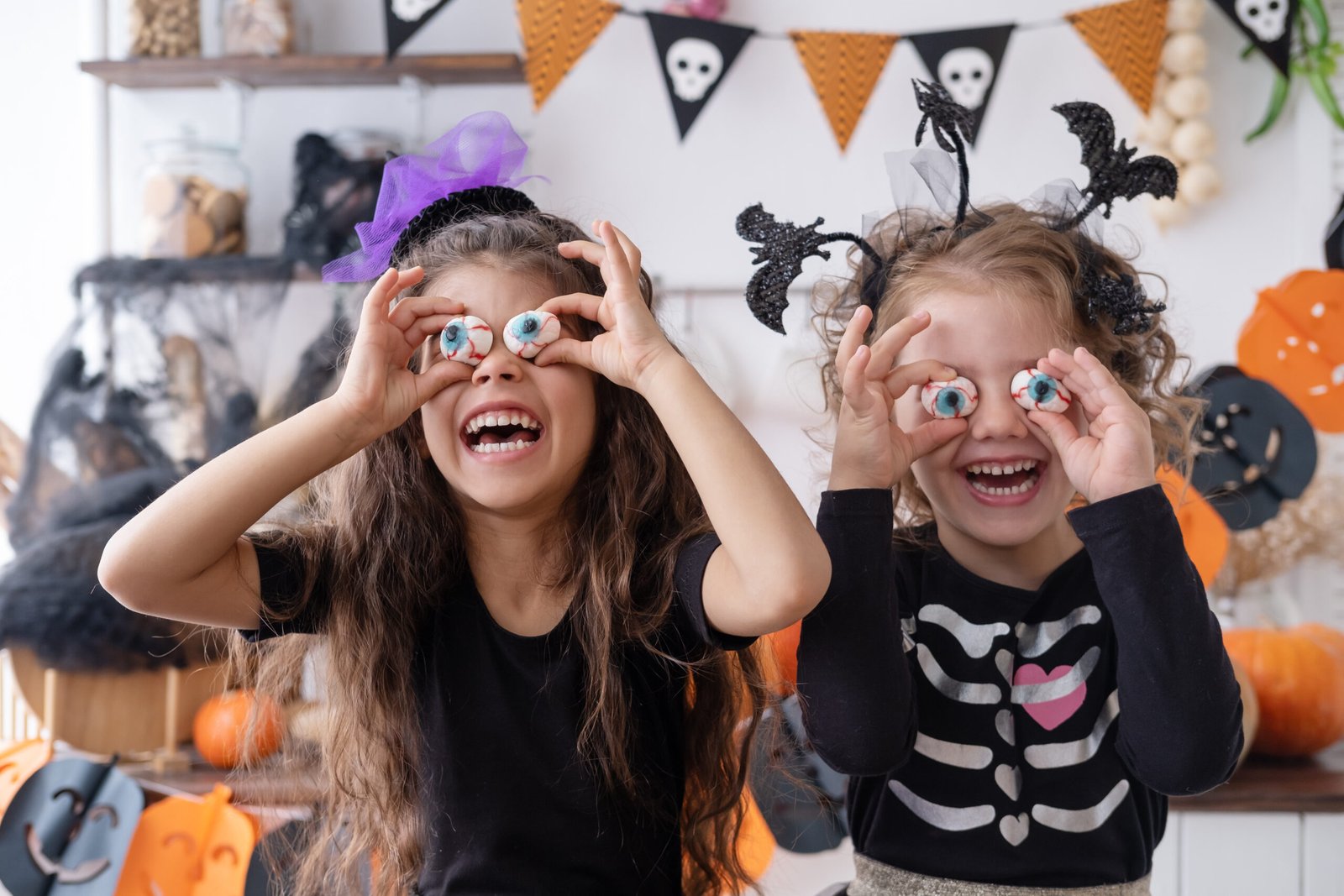
Costumes, masks, and dark decorations can bring out different emotions. Some children feel excited, while others may feel nervous or scared. Both reactions deserve respect.
One way to support children is to explain what Halloween is and why some people wear costumes, using simple language they can understand. Depending on their age, adults can show them how a mask works or explain that a costume is something someone chooses to wear to represent a character.
Children shouldn’t be forced to approach a decoration, participate in a costume parade, or wear something that makes them uncomfortable. It’s also important not to make fun of their fears or use monsters and other characters to frighten them into behaving.
If a child expresses fear, an adult can listen, acknowledge their feelings, and offer alternatives. The child might prefer to observe from a distance, choose another activity, or skip that part of the celebration altogether.
This approach is especially important in a Day Care or Preschool, where children with different temperaments, family experiences, and levels of emotional development share the same space.
5. Respect Children’s Choices About Costumes and Activities
Freedom of choice is an important part of the Montessori approach, always within boundaries that support each child’s age and safety.
During Halloween, this means offering options without making participation mandatory. A child might prefer a simple cape, a headband, a full costume, or no costume at all.
Families can involve children in decisions such as choosing craft materials, preparing a candy bag, or picking a seasonal story. These small choices allow children to express their preferences and take an active role in the experience.
A Montessori school can also plan celebrations so every child has a comfortable way to participate. Instead of making a costume parade the main event, teachers can set up activity stations where children choose what they’d like to explore first.
For families interested in Central Montessori Schools (CMS), learning how independence is encouraged in the classroom can help them understand how Montessori principles support children’s individual needs, including during special celebrations.
6. Use Stories, Language, and Culture to Expand Learning
Halloween can also be an opportunity to build language skills and explore different traditions. Picture books, conversations, and photographs introduce new vocabulary and give children a chance to ask questions naturally.
For younger children, books about pumpkins, nocturnal animals, or seasonal changes can be a great starting point. Older children can learn that Halloween is celebrated in different ways depending on the community and family, and that not everyone takes part in the holiday.
Teachers can also compare aspects of Halloween with other seasonal celebrations, using age-appropriate information and showing respect for different cultures.
In Preschool, language activities might include describing pictures, naming objects, telling a simple sequence of events, or creating a story inspired by real materials. The goal is to balance imaginative play with the explanations children need to understand the world around them.
7. Work Together With Families
Incorporating Halloween into a Montessori environment works best when educators and families communicate openly. Before planning an activity, schools can explain its learning objectives, share what children will be doing, and offer alternatives for families who prefer not to participate in certain traditions.
It’s also helpful to ask about sensitivities related to costumes, decorations, or food, while keeping allergies and individual needs in mind.
For families living in Solana Beach who are exploring Day Care or Preschool options, learning about different educational programs is a valuable way to find an environment that fits their family’s needs and expectations. Reaching out to Central Montessori Schools (CMS) can give parents an opportunity to learn about its educational approach, ask questions, and explore the benefits of Montessori education.
When evaluating an early childhood program, it’s worth asking how classrooms are prepared, how independence is encouraged, and how activities are adapted to meet children’s different needs. These details help parents understand how a school supports child development beyond seasonal celebrations.
Montessori Halloween: Learning, Exploring, and Enjoying the Season Without Pressure
Incorporating Halloween into a Montessori environment doesn’t mean giving up the celebration. It means finding a thoughtful way to enjoy it. Pumpkins, stories, sensory activities, and everyday tasks can all become meaningful experiences that support concentration, creativity, language development, and independence.
The goal isn’t to recreate a party filled with stimulation. It’s to provide opportunities for children to explore, ask questions, and participate according to their interests. Respecting their emotions, allowing them to make choices, and maintaining open communication with families are essential to creating a positive experience.
At home, in a Day Care, or in a Preschool, Halloween can become a meaningful learning experience when children’s education, safety, and well-being remain at the center of the celebration.
For families in Solana Beach who are interested in exploring educational options, reaching out to Central Montessori Schools (CMS) can be a first step toward discovering how the Montessori approach encourages curiosity, independence, and active learning during early childhood. In this way, Halloween becomes an opportunity for children to discover their surroundings, strengthen important skills, and create happy memories while staying true to the Montessori values of respect and independence.