Soccer is one of the favorite sports of millions of children around the world. Every four years, the excitement grows even more during the World Cup, an event that brings families together to cheer for their favorite teams and celebrate their love of the game. Beyond the goals and championships, however, soccer can also become a powerful learning tool when viewed through the lens of the Montessori method.
For many parents who are just beginning to explore Montessori education, it may seem unusual to connect soccer with Montessori principles. In reality, both share important values: developing independence, building confidence, respecting each child’s individual pace, and learning how to work with others toward common goals.
As families around the world follow every World Cup match, it is also a great opportunity to reflect on everything children can learn through sports and how these experiences support a well-rounded education focused on the whole child.
More Than a Sport
The Montessori method encourages children to take an active role in their own learning. Rather than relying constantly on instructions, they are encouraged to explore, discover, and solve problems independently.
A soccer field offers many of the same opportunities. Players must make decisions constantly, analyze situations in a matter of seconds, and act independently. Every pass, movement, and strategy becomes an opportunity to develop skills that extend far beyond the game itself.
For this reason, many families in San Marcos who are looking for an education that emphasizes independence appreciate activities that help children strengthen these abilities from an early age.
The World Cup as Inspiration for Children
The World Cup provides extraordinary examples of perseverance, discipline, and teamwork. Children watch players train for years to achieve their goals and see how they handle both victories and setbacks.
These experiences can become valuable life lessons. Children learn that success requires effort, patience, and consistency, values that are also deeply connected to the Montessori philosophy.
When a team loses a match, parents have an opportunity to talk with their children about resilience. When a team advances because of strong collaboration, children discover that every member contributes something meaningful to the group.
Learning at Their Own Pace
One of the most recognized principles of Montessori education is respect for each child’s individual development.
Not all children learn in the same way or at the same pace. Some demonstrate strong physical abilities at an early age, while others need additional time and practice to build coordination and confidence.
In soccer, just as in Montessori education, the goal is not to compare children to one another. The focus is on continuous growth based on each child’s unique strengths and needs.
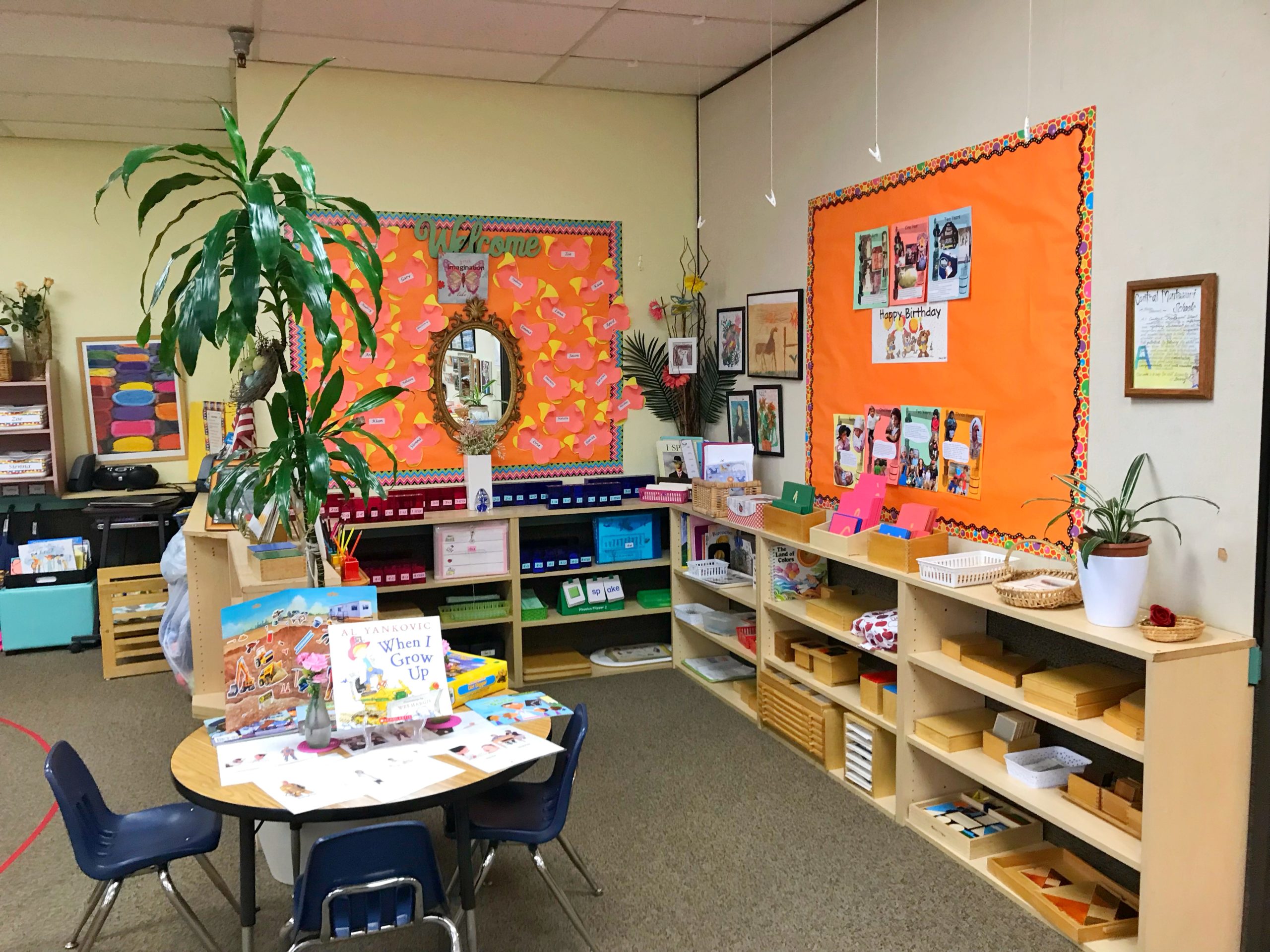
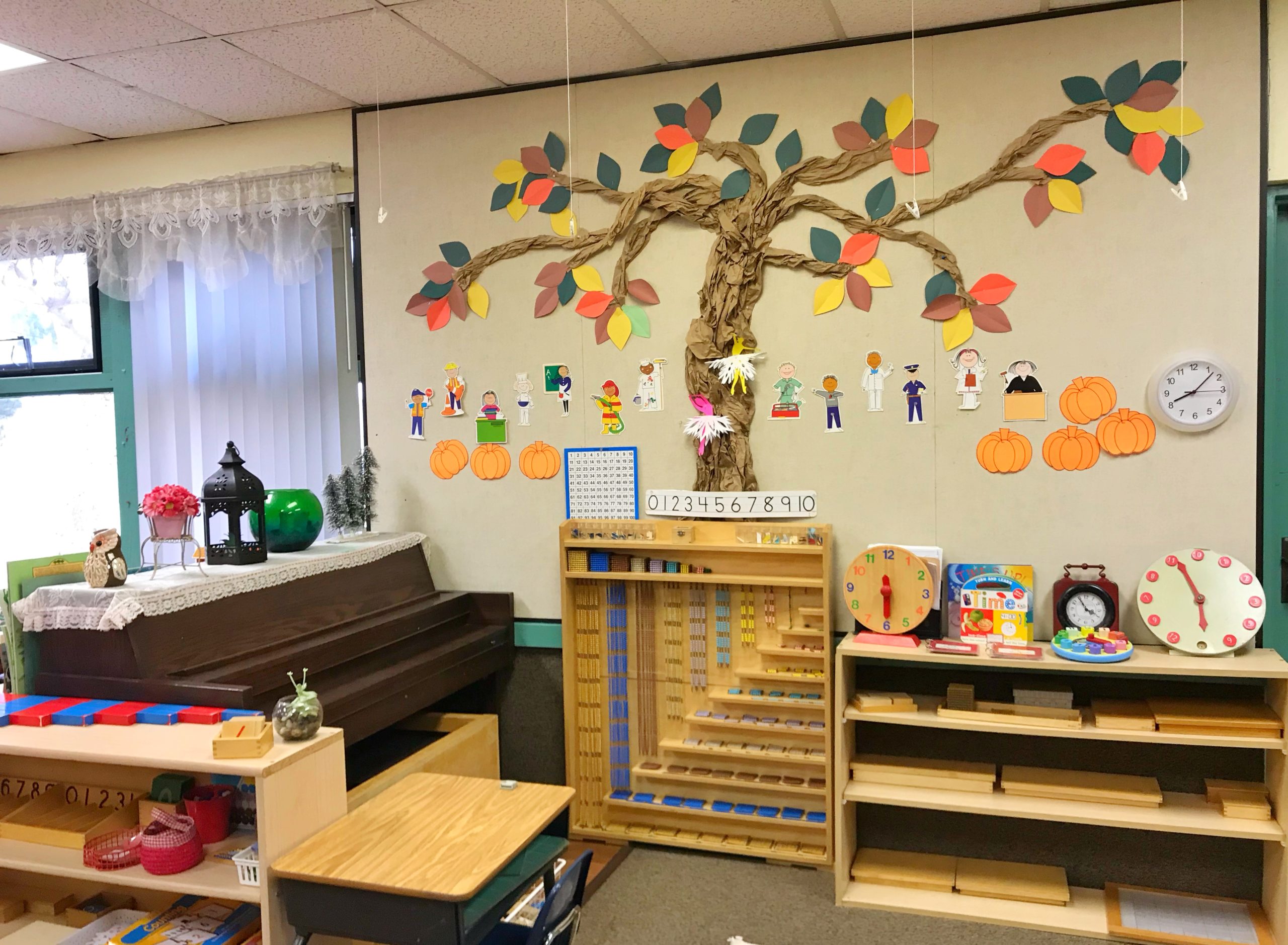
This same philosophy is embraced at Central Montessori Schools (CMS), where students are supported in a carefully prepared environment that allows them to progress according to their own learning journey without unnecessary pressure.
Independence On and Off the Field
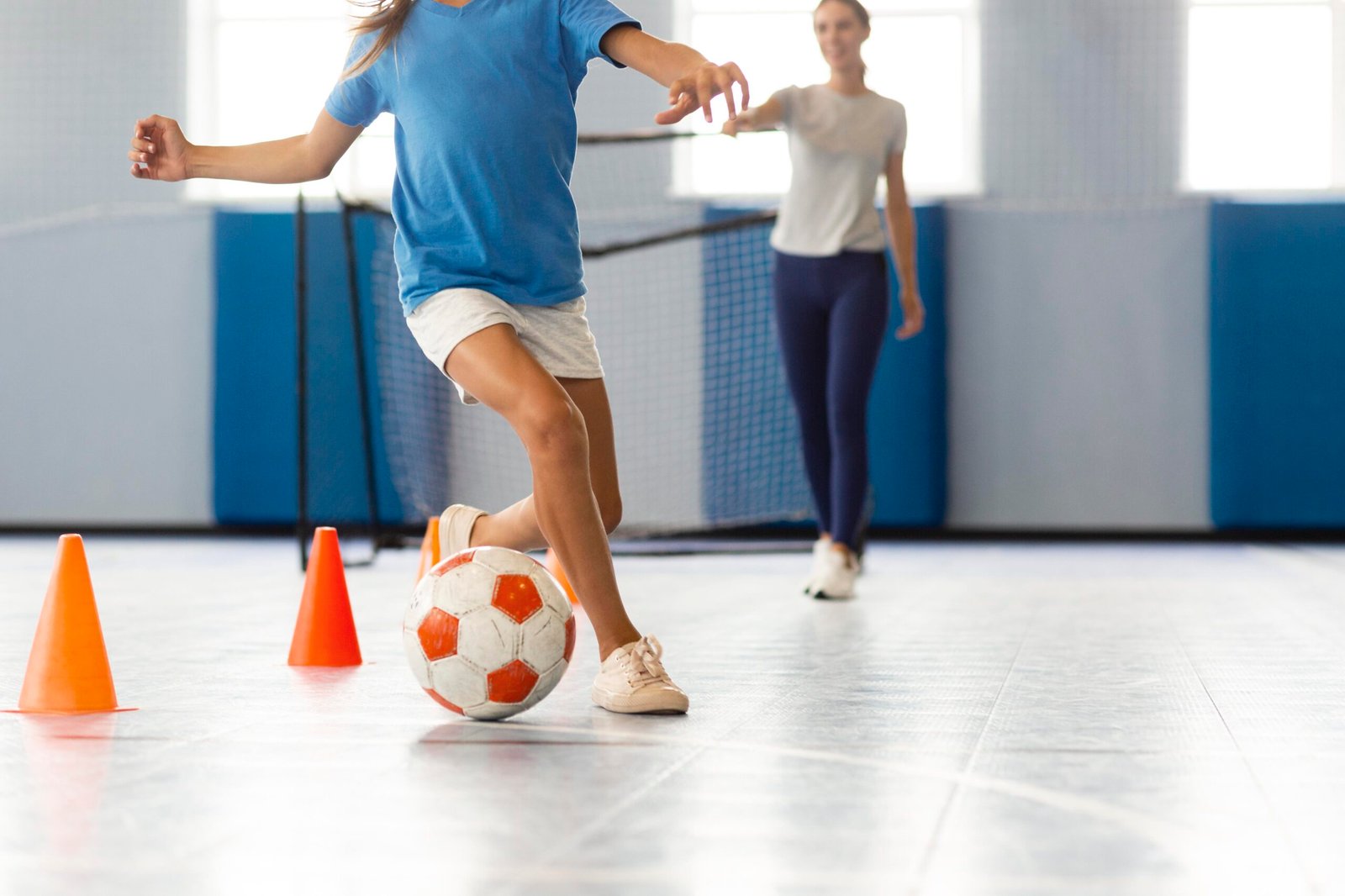
When children participate in sports, they learn to take responsibility. They care for their belongings, follow rules, cooperate with teammates, and make decisions during play.
These experiences strengthen the independence that Montessori education considers essential to healthy child development.
At CMS, this approach is part of everyday learning. Students are guided to build self-confidence, learn from experience, and develop skills that will benefit them throughout their lives.
For many San Marcos families, this educational approach offers an appealing alternative to more traditional models because it places the child at the center of the learning process.
The Value of Teamwork
While Montessori education encourages independence, it also recognizes the importance of community.
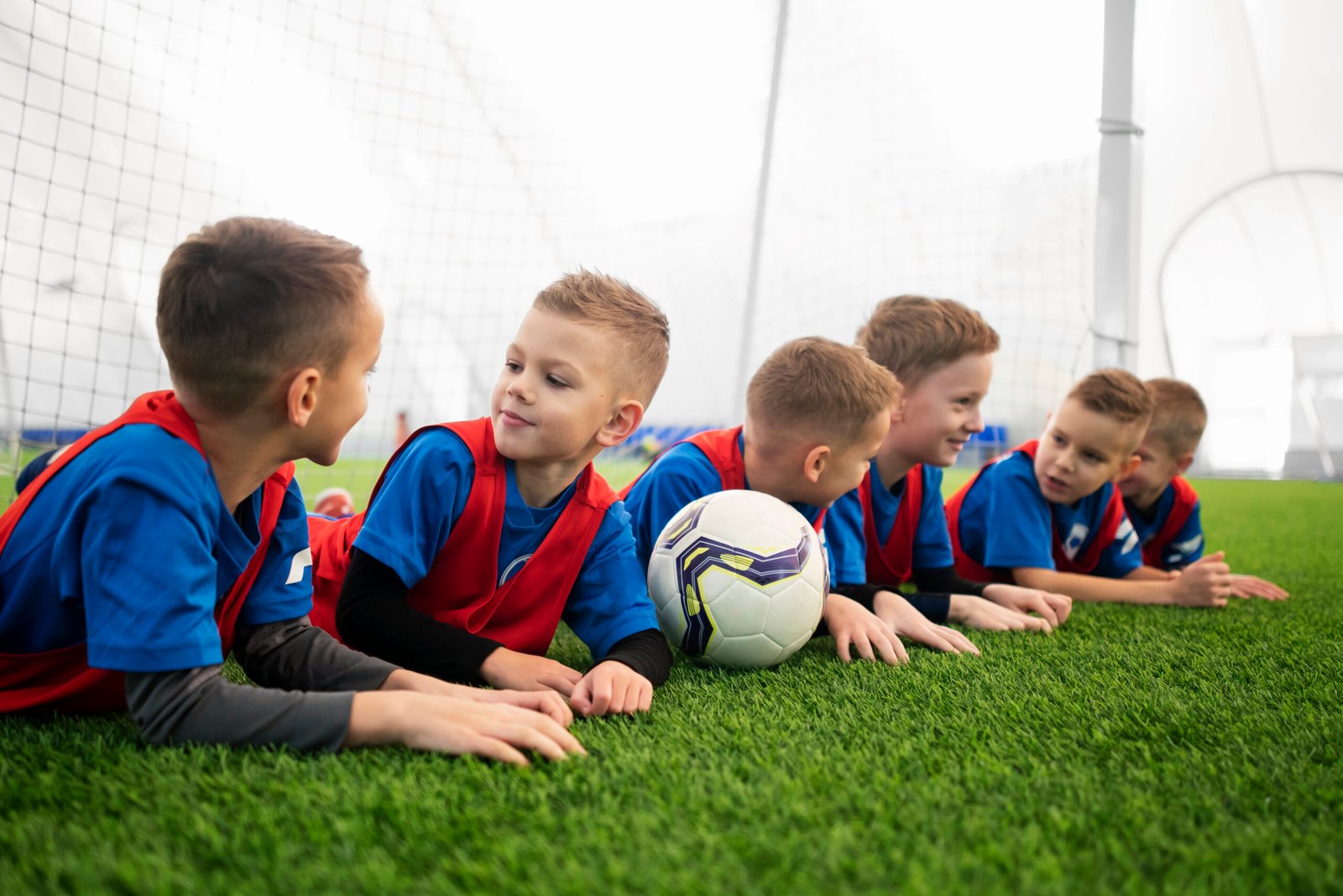
Soccer teaches children that every player has an important role to fulfill. No match is won alone, and no athlete succeeds without the support of teammates.
Children develop essential social skills such as communication, empathy, respect, and cooperation. These abilities are valuable not only in academics but also in everyday life.
For this reason, many activities within Preschool programs are intentionally designed to encourage collaboration and shared learning while still respecting each student’s individuality.
The Benefits Begin in the Early Years
Montessori education can begin at a very young age. During early childhood, children develop foundational skills that support future growth and learning.
Montessori-inspired Day Care programs allow young children to explore the world through meaningful experiences that nurture their natural curiosity and self-confidence.
Just as a child becomes familiar with a soccer ball through practice and exploration, every new experience provides an opportunity to discover abilities, improve coordination, and build independence.
Families in San Marcos who want to support this process often value environments where learning happens naturally and where the unique needs of every stage of development are respected.
Preparing Children for the Future
The World Cup reminds us that great achievements are the result of years of preparation, discipline, and dedication. The same principles apply to a child’s education.
When children grow in environments that encourage independence, responsibility, and confidence, they develop skills that will serve them throughout their lives.
That is why more families in San Marcos are exploring educational options such as Central Montessori Schools (CMS), where Day Care and Preschool programs are designed to support the complete development of every child.
In the end, whether in soccer or in Montessori education, the goal is not simply to win a game or achieve an academic milestone. What truly matters is helping children become confident, curious, independent thinkers who are prepared to navigate the challenges and opportunities of the future.