
Childhood is a time of intense emotional growth. Joy, frustration, anger, curiosity, and fear can all show up multiple times in a single day. For many parents, supporting children through these emotional shifts is not always easy, especially when they are looking for an educational approach that respects each child’s individual pace. In this context, the Montessori method has become one of the most effective and thoughtful ways to support children’s emotional development with respect and intention.
Central Montessori Schools (CMS) has shown that the learning environment plays a key role in how children learn to identify, express, and regulate their emotions from an early age.
Emotional education in the Montessori method
Unlike traditional educational models, the Montessori method does not separate academic learning from emotional development. Both grow together. Maria Montessori understood that a child who is emotionally balanced has a greater ability to learn, socialize, and fully develop.
In a Montessori environment, children are not pressured or compared. They are observed, supported, and gently guided. This allows children to experience their emotions without feeling judged, gradually learning how to manage them in a healthy way.
At Central Montessori Schools, this philosophy is present in every classroom, where respect, calm, and independence are essential parts of daily life.
Common emotional changes in early childhood
During the Day Care Preschool years, children experience constant emotional changes, such as:
- Difficulty separating from parents
- Frustration when they cannot complete an activity
- Anger during interactions with other children
- A strong need to assert independence
- Rapid mood changes
The Montessori approach does not try to eliminate these emotions. Instead, it helps children understand them. Rather than punishing or dismissing how children feel, their emotions are acknowledged and they are given tools to express themselves appropriately.
The role of the prepared environment

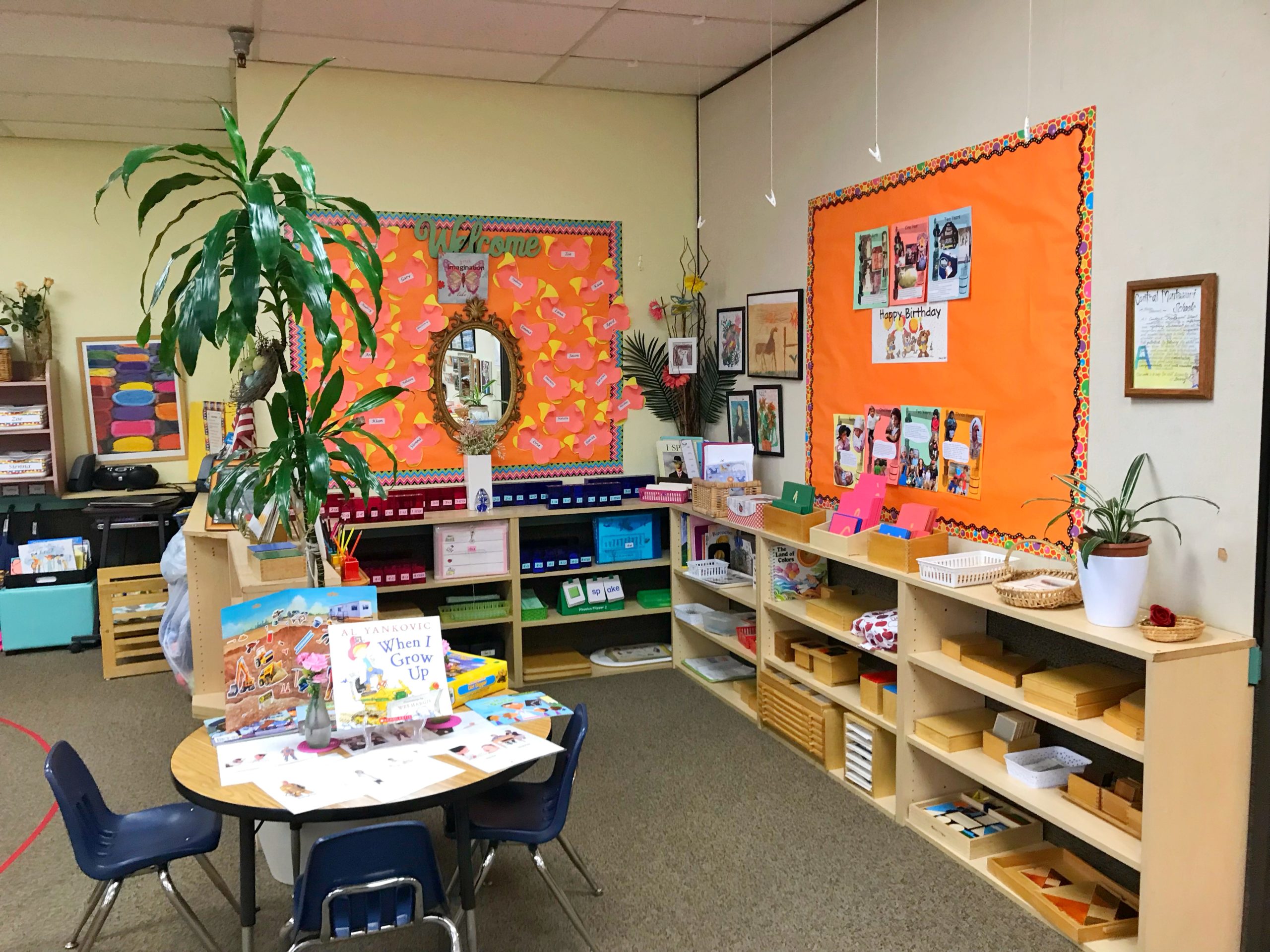
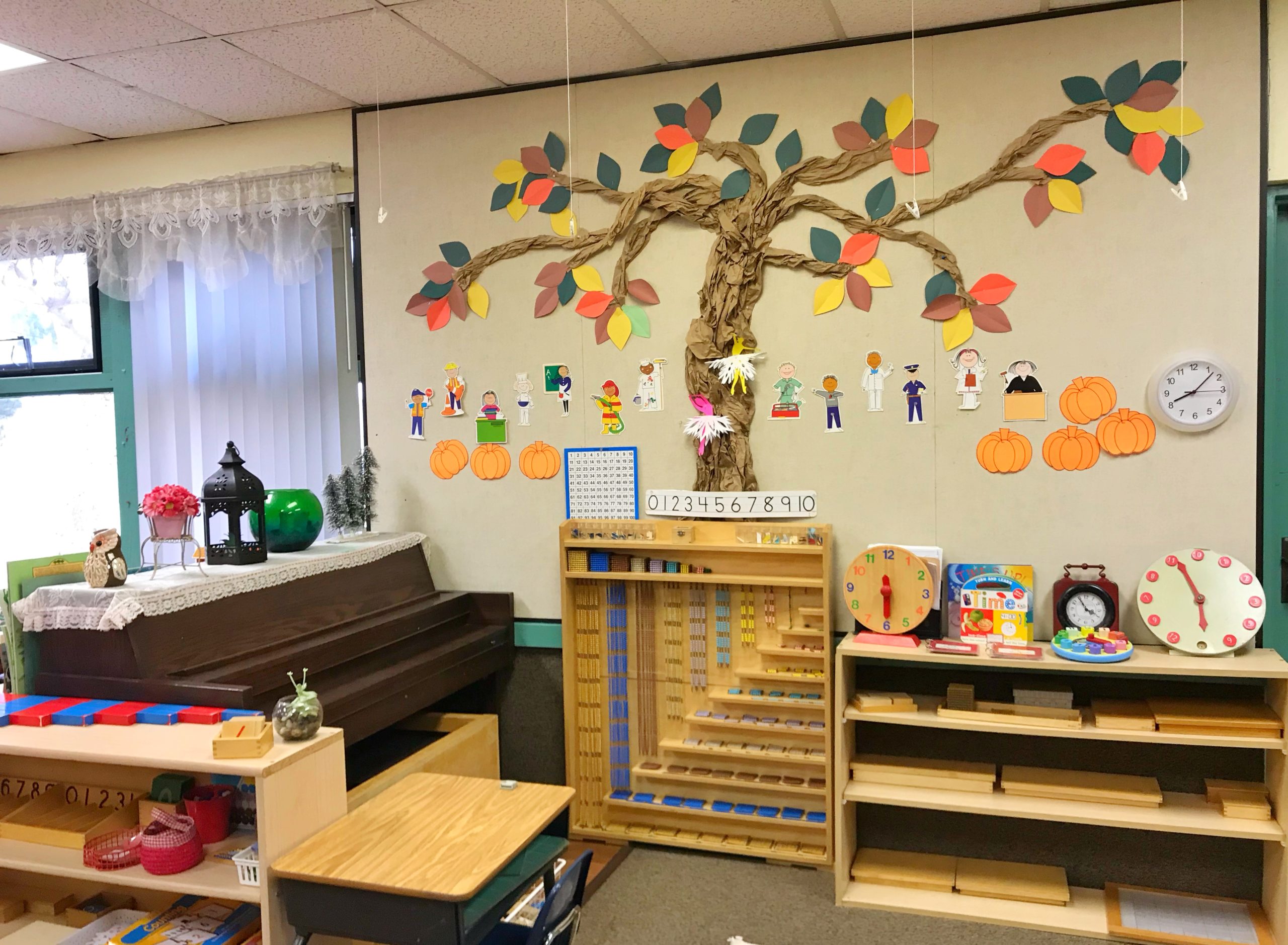
One of the core principles of the Montessori method is the prepared environment. Classrooms are designed to offer order, beauty, and functionality, which creates emotional security for children.
At Central Montessori Schools, every material has a purpose and is placed within easy reach. This allows children to make choices on their own, building self-esteem and reducing the anxiety that often appears when children feel controlled or restricted.
An organized environment also supports emotional regulation, since children know what to expect and feel actively involved in their own learning.
The adult as an emotional guide
In Montessori, the adult is not an authority figure but a guide. Their role is to observe, support, and offer help when the child truly needs it.
When a child is going through a difficult emotional moment, the adult:
- Listens without interrupting
- Names the emotion, for example “I see that you are frustrated”
- Offers options without forcing a solution
- Respects the child’s time to calm down
This approach is especially important during the Day Care Preschool years, when children are still learning how to identify what they are feeling. At CMS, guides are trained to support these moments with empathy and patience.
Independence and emotional self-regulation
One of the greatest benefits of the Montessori method is that it encourages emotional self-regulation. By allowing children to choose activities, repeat processes, and learn from mistakes, frustration is reduced and emotional resilience grows.
At Central Montessori Schools, children learn that making mistakes is part of learning. This has a direct impact on emotional development. A child who is not afraid to make mistakes develops greater confidence and resilience.
Social development and conflict resolution
Conflicts between children are a natural part of growing up, but in Montessori they are seen as learning opportunities. Instead of stepping in right away, guides observe and only intervene when necessary, helping children learn how to communicate and find solutions.
This approach is especially important in a Day Care Preschool setting, where children begin interacting more consistently with peers. They learn to wait their turn, express boundaries, and respect others.
Why choose Central Montessori Schools in Encinitas?
If you live in Encinitas, CMS can be a great option for developing children’s abilities both emotionally and academically. Central Montessori Schools offers a safe, respectful environment that stays true to the original principles of Maria Montessori.
Their well-rounded approach helps children learn not only letters and numbers but also emotional skills that will support them throughout their lives.
For families looking for a Day Care Preschool that prioritizes emotional well-being, independence, and whole-child development, CMS stands out as a strong choice in Encinitas.
Long-term benefits of the Montessori approach
Children who grow up in a Montessori environment often develop:
- Strong emotional intelligence
- Conflict resolution skills
- Self-confidence
- Empathy for others
- A genuine love of learning
That is why, if you live in Encinitas, CMS can be a great option for developing children’s abilities from an early age and building a strong foundation for their emotional and academic future.
Conclusion
Supporting children through emotional changes is not always easy, but the Montessori method offers clear and effective tools to do so with respect and empathy. Schools like Central Montessori Schools show that a mindful approach, especially during the Day Care Preschool years, can make a meaningful difference in a child’s overall development.
If you are in Encinitas and looking for an education that values both learning and emotional well-being, CMS can be an excellent option to help your children grow into confident, independent, and emotionally balanced individuals.