Music is part of a child’s life from the very beginning. A lullaby, the sound of rain, or the rhythm of clapping hands can become meaningful experiences that spark curiosity and support learning. Within the Montessori philosophy, music is much more than entertainment. It is a valuable tool that helps children develop their senses, concentration, coordination, and creativity.
Whether you are new to the Montessori method or already incorporate Montessori principles at home, a common question often arises: How can music be introduced in a way that aligns with Montessori values? The good news is that you do not need advanced musical training or expensive instruments to get started.
For many families in Solana Beach, finding ways to enrich their children’s learning experience is a priority. Schools like Central Montessori Schools (CMS) encourage opportunities for children to learn through exploration, movement, and discovery, all of which naturally connect with music education.
Music Through the Montessori Lens
The Montessori method is based on the belief that children learn best when they actively engage with their environment. Rather than passively receiving information, they are encouraged to explore, observe, and experience the world around them.
Music fits naturally within this approach because it allows children to engage multiple senses at once. They listen to sounds, recognize patterns, coordinate movements, and express emotions while interacting with their surroundings.
Music also supports important developmental skills such as attention, memory, and active listening. For this reason, musical experiences are often incorporated into Montessori environments where the goal is to nurture each child’s natural curiosity.
Benefits of Music During Early Childhood
Musical experiences can provide many benefits during a child’s early years, including:
- Development of auditory awareness
- Improved motor coordination
- Enhanced memory skills
- Increased concentration
- Language development
- Emotional expression
- Greater creativity
Most importantly, these benefits often emerge naturally when children are given the freedom to explore sounds and rhythms without pressure.
Getting Started if You Are New to Montessori
Many families assume they need to follow a structured music program to introduce music at home. Montessori takes a much simpler approach.
Listen to Music Together
Spending a few minutes each day listening to different styles of music is a wonderful place to start. The goal is not to teach music theory but to allow children to discover a variety of sounds.
You can ask questions such as:
- What do you hear?
- How does this music make you feel?
- Can you identify any instruments?
These conversations encourage observation, listening skills, and critical thinking.
Explore Everyday Sounds
Daily sounds can also become valuable learning experiences.
For example:
- Birds singing
- Wind blowing
- Rain tapping against a window
- Passing vehicles
- Bells and chimes
Encouraging children to identify and discuss these sounds helps strengthen focus and observation skills.
Incorporate Songs into Daily Routines
Songs can easily become part of everyday activities such as cleaning up toys, washing hands, or getting ready for bed. Music can help create routines that feel predictable, enjoyable, and comforting.
Ideas for Families Already Practicing Montessori
If you already use Montessori principles at home, there are many ways to deepen your child’s musical experiences.
Child-Friendly Instruments
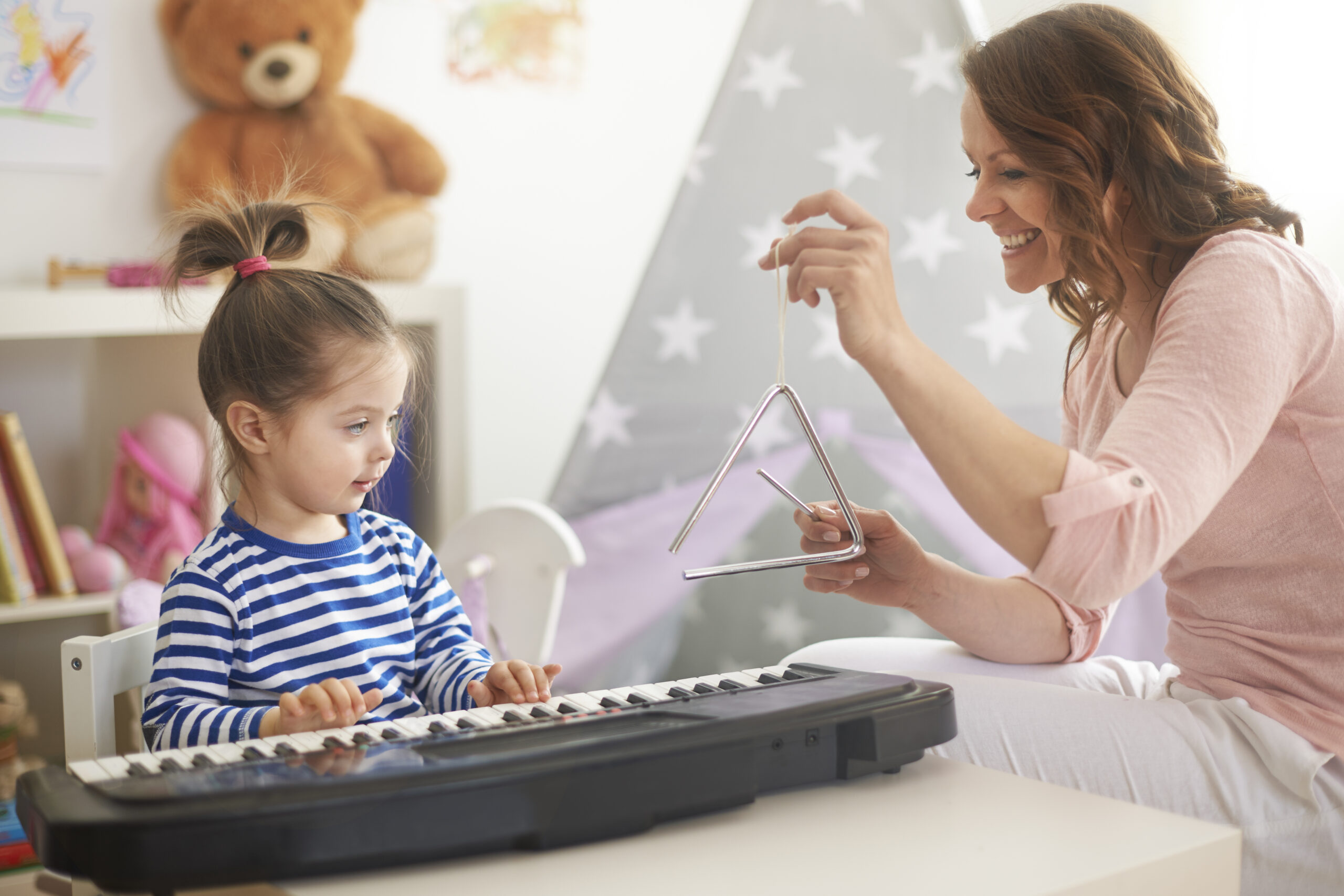
Children enjoy exploring instruments that help them understand the connection between movement and sound.
Some great options include:
- Xylophones
- Bells
- Jingle bells
- Maracas
- Tambourines
Ideally, these materials should be displayed in an organized space where children can access them independently.
Sound Discrimination Activities
A common Montessori activity involves comparing sounds.
For example, small containers can be filled with different materials so children can identify which containers produce matching sounds and which produce different ones.
Activities like these help strengthen concentration, listening skills, and analytical thinking.
Movement with Music
Music and movement naturally go hand in hand. Walking to a steady beat, practicing balance exercises, or using body movements to accompany songs helps children integrate multiple areas of learning at the same time.
The Importance of a Prepared Environment
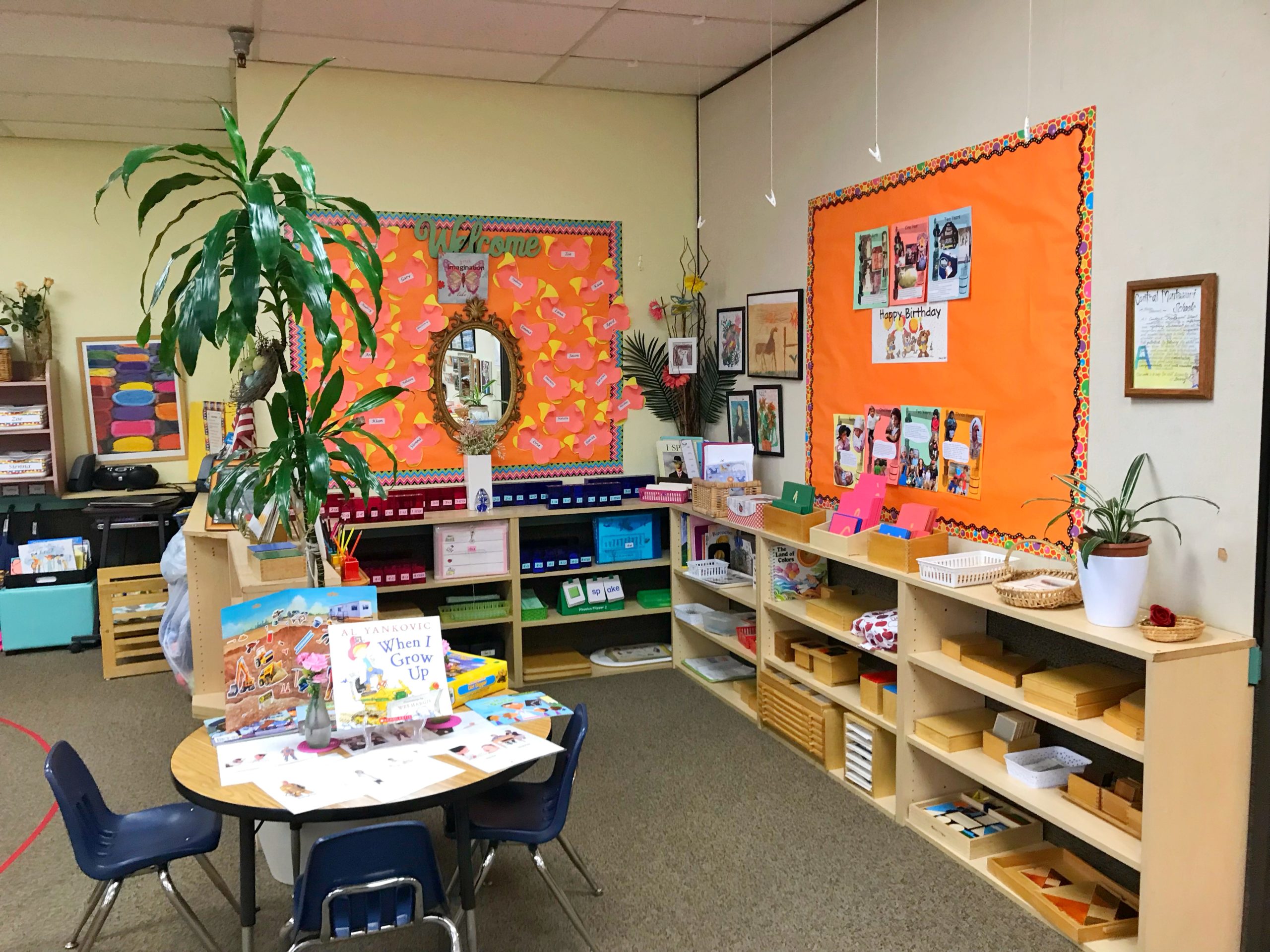
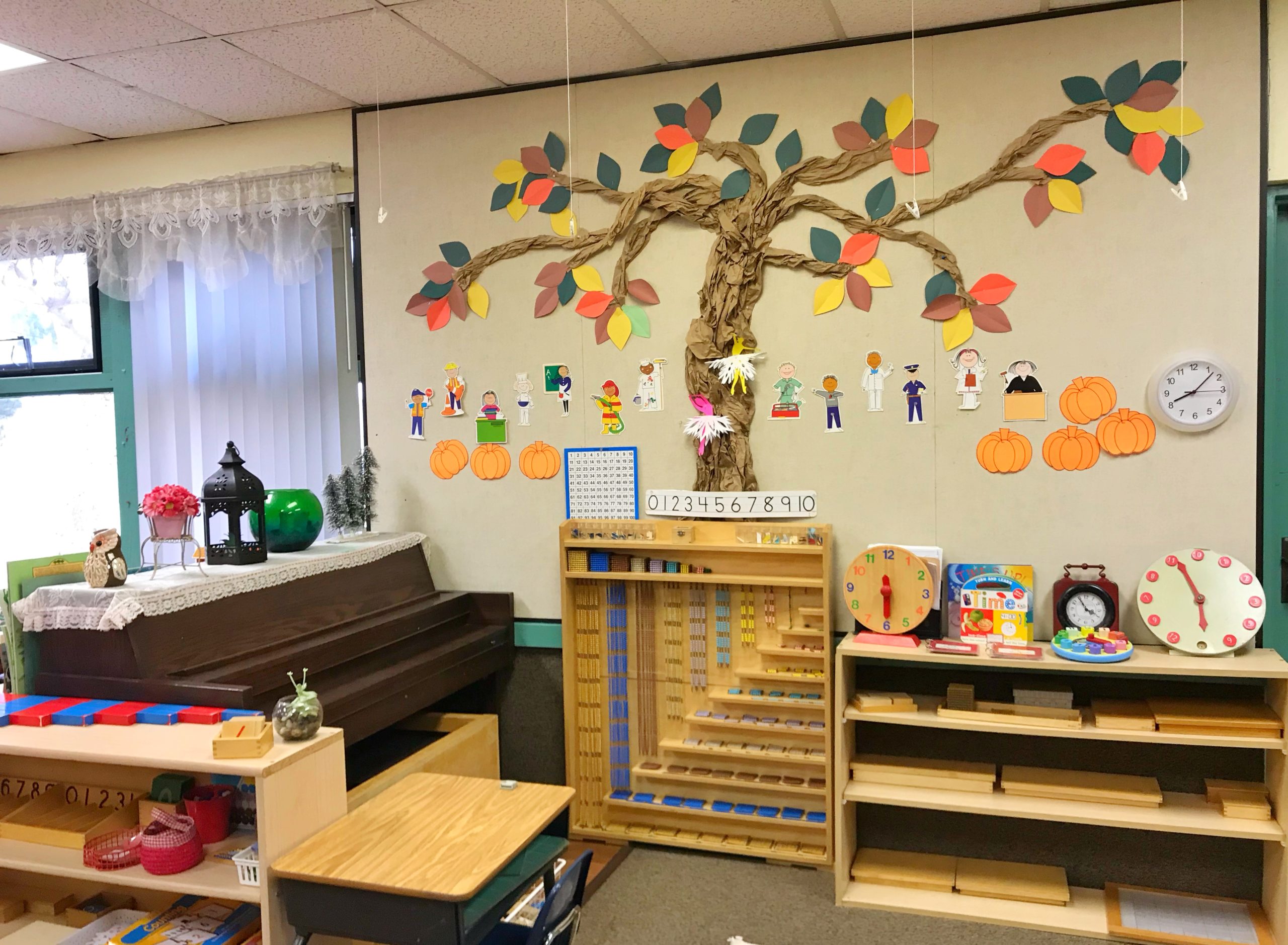
One of the foundations of the Montessori method is the concept of the prepared environment. This means creating a space that encourages exploration, independence, and self-directed learning.
When it comes to music, this may include:
- Age-appropriate instruments
- Quiet areas for listening
- Accessible materials
- Opportunities for open-ended exploration
- When children have access to these resources, they can develop their interests naturally and at their own pace.
This is one reason many families seek schools that share these values. Central Montessori Schools (CMS) creates environments designed to help children learn through observation, hands-on experiences, and active exploration, all key components of Montessori education.
Music and Social Development
In addition to its individual benefits, music can also support social growth.
Participating in group musical activities helps children learn to:
- Listen to others
- Take turns
- Collaborate with peers
- Respect different forms of expression
These experiences build confidence and strengthen relationships with other children.
Whether at home or at school, music can become a meaningful opportunity for children to learn communication and cooperation skills.
What to Avoid When Introducing Music
Although music offers many benefits, it is important to keep a few Montessori principles in mind.
Avoid Pressure
Not every child will show the same level of interest in music at the same time. Respecting their preferences and allowing them to explore at their own pace is essential.
Avoid Competition
The goal is not for children to outperform others. The focus should remain on enjoying the learning process.
Prioritize Exploration
Musical activities should center on discovery, experimentation, and enjoyment rather than achieving specific outcomes.
Choosing an Educational Environment That Values Creativity
For many families, learning experiences at home are complemented by finding a school that aligns with Montessori principles.
When evaluating a Day Care program, it is helpful to observe whether children have opportunities to explore, move freely, and learn independently. During the early years, these experiences can play a significant role in cognitive, social, and emotional development.
As children grow and families begin looking for a Preschool, it is important to seek environments where creativity, curiosity, and independence are woven into everyday learning.
Families in Solana Beach often consider several factors when making this decision, including the quality of the learning environment and the school’s approach to supporting the whole child. Among the available options, Central Montessori Schools (CMS) offers a Montessori-based program that encourages hands-on experiences designed to help children develop confidence, independence, and a lifelong love of learning.
Conclusion
Music can be a powerful companion to the Montessori method. Parents do not need to be musicians or invest in complicated materials to provide meaningful musical experiences. Listening to sounds, singing songs, exploring instruments, and moving to music are simple activities that can enrich learning from an early age.
Families interested in a Day Care program that promotes exploration and whole-child development can benefit from environments where music is integrated into daily experiences. Likewise, a Montessori-inspired Preschool can help strengthen creativity, concentration, and independence.
For families living in Solana Beach, finding a school that shares these values can make a meaningful difference during the early years. In that regard, Central Montessori Schools (CMS) is worth considering for parents seeking an educational environment that respects each child’s individual learning journey and encourages discovery through hands-on, meaningful experiences.